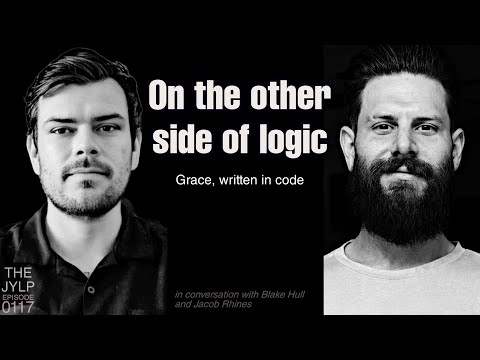
The Junkyard Love Podcast E 0117 with Blake Hull - Good morning, Blakey Boy - Grace, written in code
Good morning, Blakey Boy - Grace, written in code
Topics Awakening & Mystical Experience Healing, Trauma & Therapy Men, Masculinity & Fatherhood Mind, Mood & Mental Health Science, Frequency & Integral Bridges Identity & Becoming
About
In this conversation, I'm joined by mathematician, meditator, and machine learning engineer Blake Hull.
We share stories of therapy, meditation, and Ram Dass, opening up after years of staying in the head, we unravel ideas of masculinity, expand on vulnerability, and dissect what it means to become safe in our own skin. We talk about anger as sacred energy, the strange geometry of emotion, and the daily ritual of saying “Good morning, Blakey Boy” - a quiet reminder that to heal isn't to change, it's to remember who you already are. This is a fluid dialogue that drifts through psychedelics, softness, the mathematics of love, friendship, wisdom - it's an episode that invites you to slow down, breathe, and feel something true. Together, The Great and Wonderful Blake Hull and I explore the space between intellect, emotion, and becoming what we are - I hope you'll join us.
Themes: therapy · masculinity · meditation · Ram Dass · psychedelics · inner-child · emotional intelligence · spiritual growth
Chapters
- 00:00:00 — Intro: Setting up, laughter, first exchange, Blake's Bio
- 00:02:15 — “I feel most connected when you’re feeling” – therapy and awareness
- 00:05:00 — Logic vs emotion: learning how to feel again
- 00:07:25 — Emotional intelligence and inner safety
- 00:10:45 — Anger as sacred energy (“dharmic anger”)
- 00:12:10 — Modern society, Idiocracy, and humor as medicine
- 00:15:23 — Aldous Huxley, psychedelics, and self-reflection
- 00:16:09 — Paul Stamets, microdosing, and consciousness
- 00:20:00 — Mushrooms, meditation, and integration
- 00:26:00 — Masculinity and vulnerability
- 00:31:00 — Meditation: honesty over peace
- 00:36:03 — “Good morning, Blakey Boy” – the inner-child ritual
- 00:40:03 — Ego, death, and Ram Dass on becoming somebody
- 00:45:00 — Comic relief: fart jokes and humility
- 00:50:00 — Math and metaphysics: when numbers become poetry
- 00:58:48 — Math as beauty and the language of existence
- 01:00:26 — Group theory, triangles, and the philosophy of structure
- 01:02:06 — Did humans discover or invent math?
- 01:10:00 — Humor, curiosity, and teaching through questions
- 01:13:34 — The future of math, AI, and physics (the long view)
- 01:14:13 — Ray Kurzweil and his father’s digital journals
- 01:15:15 — iPhone, exponential tech, and AI acceleration
- 01:16:00 — Touchscreens, prediction, and futurism
- 01:20:00 — Consciousness and machine learning
- 01:30:00 — Human identity in the age of algorithms
- 01:37:01 — AI anxiety, UBI, and the ethics of automation
- 01:43:56 — Consciousness itself: What is it, really?
- 02:00:00 — Journaling, memory, and the desire to preserve the self
- 02:14:00 — Humor as grounding: “Even the enlightened still fart.”
- 02:20:00 — Compassion as technology
- 02:31:04 — Returning to therapy: “I feel most connected when you’re feeling.”
- 02:40:00 — Closing reflections, gratitude, and quiet laughter
Quotes
From the published episode notes (Blake / Jacob).
“When intellect finally kneels to emotion, that’s when growth begins.” - Blake, describing the moment logic yields to honesty.
“Emotions are information. You’d be stupid to ignore them.” - Blake quoting a college professor who first reframed feeling as intelligence.
“When Jesus flipped tables, that was dharmic anger — anger in service of love.” - Jacob, reframing anger as sacred energy rather than chaos.
“I feel most connected with you when you’re feeling.” - Blake recounting a moment in therapy that changed his understanding of connection and vulnerability.
“Maybe consciousness has always been doing this — reflecting itself through whatever new medium we invent.” - Jacob, near the close, connecting AI, identity, and awareness.
“Anger isn’t the problem. It’s what happens when we stop letting it teach us.” - Blake, redefining emotional intelligence through presence.
Archive picks
Not from Jacob’s published episode notes — extracted from this episode’s transcript (and the published About / links). Published About / Chapters / Quotes / Guest links blocks above stay unchanged; Archive picks add timestamps, chapters, keywords/hashtags, and a short bio where published notes lacked them or need enrichment.
Memorable quotes
[00:01:40] Blake: “I feel most connected with you when you’re feeling.’ - Blake recounting a moment in therapy that changed his understanding of connection and vulnerability.”
[00:04:30] Blake: “Emotions are information. You’d be stupid to ignore them.’ - Blake quoting a college professor who first reframed feeling as intelligence.”
[01:33:45] Blake: “Maybe consciousness has always been doing this — reflecting itself through whatever new medium we invent.’ - Jacob, near the close, connecting AI, identity, and awareness.”
Chapter-style timestamps
- 00:00:45 — Opening — welcome Blake / Junkyard Love
- 00:01:40 — Therapy line: “I feel most connected when you’re feeling”
- 00:04:30 — Emotions as information / become somebody before nobody
- 00:06:45 — Dharmic anger / Jesus flipped tables
- 00:09:39 — Anger has something to teach / let it pass through
- 00:11:31 — Idiocracy / humor as medicine
- 00:13:49 — Stamets, mushrooms, self-reflection
- 00:16:18 — Psychedelics / break default-network story grooves
- 00:17:38 — Masculinity template / single mom / Kelso kid
- 00:20:45 — Body armor over the heart / revisit masculine & feeling
- 00:26:52 — Meditation click / space between thoughts / metta
- 00:33:41 — “Good morning, Blakey Boy” — inner-child ritual
- 00:35:16 — Anxiety breaking point / what is the self
- 00:39:25 — Loving myself = paying attention / alive at the same time
- 00:43:14 — Zoom out / how precious / don’t overlook importance
- 00:46:15 — Ram Dass / if I were God / traffic anger
- 00:51:27 — Sharp corners / someone in your corner
- 00:55:38 — Math as method of beauty / group theory triangles
- 01:00:40 — Galois / discover and invent math
- 01:08:27 — Kurzweil / father’s journals / long view
- 01:12:50 — Future of math, AI, human consciousness
- 01:21:18 — That Smoking Gun
- 01:33:45 — UBI dream / AI optimism / transformer attention
- 01:41:03 — What is consciousness, really?
- 01:59:58 — Journaling, memory, preserving the self
- 02:04:56 — AI as DJ of human creativity
- 02:18:30 — This and What Is This Life
- 02:28:35 — Returning to “connected when you’re feeling”
- 02:30:06 — Hope for humanity / ChatGPT as harm reduction
Keywords
Blake Hull, Good Morning Blakey Boy, Grace written in code, mathematician, meditator, machine learning engineer, software engineering, healthcare, pure mathematics, statistics, multifaceted, therapy, emotional intelligence, emotions are information, become somebody before nobody, Ram Dass, metta meditation, mindfulness, inner child, Blakey Boy, puja table, masculinity, vulnerability, single mother, Kelso, body armor over the heart, dharmic anger, Jesus flipped tables, sacred anger, psychedelics, mushrooms, Paul Stamets, default mode network, Idiocracy, math as poetry, method of beauty, group theory, triangles, Galois, discover vs invent math, Ray Kurzweil, father’s journals, AI, LLMs, transformers, attention, consciousness, UBI, universal basic income, human consciousness siphon, DJ of human creativity, ChatGPT harm reduction, Buddha nature and social security number, free or right, seek the truth of your deepest being, Junkyard Love Podcast, JYLP 0117, Jacob Rhines
Hashtags
#JYLP0117 #JunkyardLove #BlakeHull #GoodMorningBlakeyBoy #EmotionalIntelligence #Masculinity #Meditation #RamDass #InnerChild #TherapyForMen #MachineLearning #AIConsciousness #Mindfulness #SelfAwareness #JYLP
Short guest bio
Blake Hull is a mathematician, meditator, and machine learning / software engineer with a multifaceted path across healthcare, pure mathematics, statistics, and AI — introduced on this episode as “The Great and Wonderful Blake Hull.” Published notes frame a conversation of therapy, meditation, and Ram Dass: opening after years of staying in the head, masculinity and vulnerability, anger as sacred energy, the geometry of emotion, and the daily inner-child ritual “Good morning, Blakey Boy” — healing as remembering who you already are. On the episode he recounts a therapist’s line that changed him (“I feel most connected with you when you’re feeling”), a college teacher reframing emotions as information, Ram Dass on becoming somebody before nobody, a Kelso childhood that shaped his masculinity template, the meditation click into the space between thoughts and metta practice, math as a method of beauty (group theory, Galois), and an optimistic ML view of AI (UBI, consciousness questions, AI as a DJ of human creativity, ChatGPT as harm reduction). Published guest links: (none). Themes from notes: therapy · masculinity · meditation · Ram Dass · psychedelics · inner-child · emotional intelligence · spiritual growth.
Transcript
[00:00:09] Intro: Hello and welcome to the Junkyard Love. Hey, everything's going to be all right. It's all good. It's all good. The Junkyard Love podcast. to the junkyard. Mr. Blake Hull, welcome to the podcast. Thank you for your time. I appreciate you, man. It's uh I'm looking forward to chatting. If I had to uh put you in a rear naked choke and say, give me a bio, what would uh what would come out?
[00:00:45] Blake: Yeah. Uh I am I always want to go with like accolades right the achievements I've done this I've done this um but I think you know um I'm a mathematician that works in uh software engineering and machine learning um I have a very diverse background across many different things you know uh healthcare um pure mathematics statistics machine learning as we just talked about, you know, multi- multifunctional human being. Maybe
[00:01:22] Jacob: That's a good way to put it.
[00:01:23] Blake: I know. I have I have a friend who uh works in the in live events just like as a creative everything and she introduced me to the term multiaceted and I know it's not the first time I ever heard it, but I love considering my uh like art and career path as multiaceted. So,
[00:01:38] Jacob: Yeah, you seem very multifaceted.
[00:01:40] Blake: Exactly. It Yeah, multiaceted. Yeah.
[00:01:40] Jacob: Well, what's been on your mind lately, man?
[00:01:40] Blake: So something that you and I connect, we're longtime friends. Um you know, we haven't stayed like incredibly in touch, but I think uh something that's jumped out for both of us is like we you know, we both love like Ramdas, and it seems we've gotten into meditation and kind of the spirituality and that sort of thing as we have gained some age in our years. Um so I definitely want to like lean into that. I definitely want to talk about AI today. Um, but I was kind of just curious like what's been on your mind lately, you know, like what's been kind of like the loudest creative thoughts or pressing thoughts or even just like personal um what's been kind of you your personal obtuse thoughts lately? What have you been thinking about? Yeah, I've been in therapy for like a year now. Um, and what's actually been on my mind a lot is my therapist like a month or two ago said we were we were talking about stuff and she and things kind of were getting a little bit tense and I have this tendency to just like re remove myself or start explaining but like oh yeah that sucks but you know like it's cool I got all this going on and stuff and she kind of slowed me down and she was like I feel most connected with you when you're feeling and I was like, "No one's ever said anything like that to me before." And you know, it just like I think about it all the time. It changed so much about me. All of a sudden, I felt even like, you know, we were talking about the meditation stuff. Like I picked up meditation, got into Ron Das also like a year and a half ago. Started really kind of thinking about those things. And so I had this like level of calm, but like knowing that there's someone in the world that's like, "Yeah, I like when you feel like I'm here with you when you feel." Uh it was just like life-changing. Super strange. And
[00:03:40] Jacob: Yeah. Do you feel like it um you know, a lot of the core of feelings is allowing them like letting feelings to be there? It sounds like so on the surface, but sometimes that is the biggest thing is we have so many responses and ways that have we've utilized to our benefit to protect ourselves from like very intense feelings sometimes and sometimes it makes it to where we just um you know we numb we numb or move away from big feelings in some sort of way. So, what's it been like for you? Like what has that you know trying to bring intellect into a you know a feeling is difficult but what's that been like for you to think about you know like have you been noticing where you've been kind of like not letting your feelings be okay in your relationships and stuff? What do you think?
[00:04:30] Blake: Yeah, I think that there's two components to it. So like on one side you know uh we as a culture we kind of work on this model that when we have emotions it's not uh worth experiencing that we should you know emotions are just noise you know we should be very logical we should always think about things we should always you know all that kind of stuff like you should never listen to your emotions and uh I had a teacher in college once that was like emotions are information. You'd be stupid to just ignore it, you know, like and I think that's a powerful statement. It's great to think about emotions as information rather than just like foundational truth that can be philosophized and you know we can like come to some kind of dialectic or something about our feelings always like it can't just be that like oh I feel sad because this is happening in the world or whatever. So the way that's like the first part about it and then the second part which is more to your question about how it has changed things for me or how I've noticed it. I think that uh I actually tie this back to what Rahm Doss talks about where like you can't become nobody before you become somebody, you know? You got to like go through it. And I remember sitting with my therapist saying like, I'm great at the second half. Like fantastic at being like, okay, like we're going to cope with these emotions. We're going to like go forward. Like I'm going to go on a walk. I'm going to do all these things to like stop the feelings, but like I haven't done that first work of feeling it, you know? I haven't become somebody in my emotions. And that makes me feel less safe for people around me. And it feels less authentic. And so it's really nice to kind of start showing up and start being a little bit more patient with myself and with others around me. I think it makes me a safer person to be around cuz people can kind of like trust like, oh yeah, Blake's upset. Blake's happy. Like
[00:06:45] Jacob: Yeah. Yeah. It's actually there. God, that's so nice. I think you use the word au authentic very nicely there. I think that is kind of what the core of it is. I um I'm drawn to think about uh it was profound for me to have someone repeat like I had heard it before but someone was talking about on a podcast about how like oh even Jesus flipped tables too and like there was something about when I first heard it like when someone had repeated it back on a podcast just kind of the context that they were putting it in was just like this sudden oh man okay like it's okay like I'm a human I'm going to have emotions and rejecting them or trying to make a new identity of some dude who doesn't have bad emotions ever cuz he's just super peaceful and he's the meditator cat like you know it's like you're not allowing to that au authenticity like you said you're kind of like you're blocking off what's really happening in favor of trying to just feel good all the time which is like the like biggest maybe not the biggest like one of the more for me personally anyway on the spiritual path like trying to make sure everybody knows I'm like this meditative I trying to make sure everybody knows I'm real calm and for the most part like without even thinking about it trying to control anybody's image of me. I can come across, you know, I meditate in the mornings and so it generally does make me calmer for the rest of the day. Like, but that's not like it's still okay to get upset and like sometimes you got to you flip a table, you know? I mean, it's not like I don't know. It's Yeah. What just allowing emotions it turns out to be like one of the more difficult lifelong parts of our journey, right? Allowing Yeah. Yeah. You're talking about a dharmic anger, right? Like anger that serves a per purpose that comes from a place inside yourself. That's true. That's, you know, when Jesus starts flipping tables, he's not doing that. Uh just cuz he's angry, you know, just cuz it's like this doesn't serve any purpose. I'm just freaking out. You know that's like anger to serve a purpose of highlighting his point or to you know bring something better into the space rights talks all the time about how Maharaji would say to him like get out of here jiao you know and it was always kind of just like you know it was intense and stuff but you could tell it was coming from a place of love
[00:09:11] Blake: And I think that when you talk about anger and emotions that we as a society tend to just kind of be like people tighten up around. You definitely want to work towards like Yeah. just feeling the full range of emotions and being safe in it,
[00:09:28] Jacob: Right? Yeah. I mean, think about as a young kid, you know, we're observing the adults around us to learn just how to do things and how to react and stuff and
[00:09:39] Blake: And you know, like I think it's a mistake for us as the adults in the room to reject what we're really feeling or like, you know, have a have a young kid think that when they're frustrated, what they really need to do is like be happy cuz people don't like you when you're when you're angry. People aren't going to your friends don't want to hang out with you when you're when you're upset cuz and there's this balance I'm sure like you know I'm not a father but I'm sure there is a balance of like teaching them hey it's okay to have that anger like hey I'd be frustrated too that makes sense hearing them out being with them but let's feel through that emotion not as a way to negate it right away or like all right you got to feel it so you can get rid of it you know that's another trap but allowing it to be there allowing it to work through and then on the other side when you're when you're bi biology when your body isn't so, you know, attacked or um, you know, at one with the emotions like just kind of the tension we all get when it comes to any sort of deep emotion, especially anger. Um, yeah, we can kind of like allow it to go through and then, you know, feel the lessening of our shoulders and like the our face kind can kind of drop like, okay, I let that thing pass through. It had something to teach me. I was angry because in the future when that same thing comes up, it's okay to be angry, but I can actually like not let it catch me off guard so much because I've now learned a little bit, you know? It's uh it's the biggest pro. I don't know. I love that you mentioned that like right off the bat, man. Like allowing yourself to feel what you're really feeling. That's profound. Yeah. You got to you got to go through it. It's not like you're saying. Yeah. We definitely just as a society it would be better if uh in my opinion. Not that I'm king of the world or anything, but
[00:11:25] Jacob: Yeah, you are. Here's the key.
[00:11:29] Blake: The big giant skeleton key.
[00:11:31] Jacob: Tell us what to do. This is Have you seen Idiocracy? That movie where
[00:11:34] Blake: Oh, yeah. Yeah. Yeah. Yeah. We're so smart and spiritual. We get to solve all the problems. Exactly. Well, now to put uh Gatorade on our flowers and stuff, you know. That is crazy. I want to rewatch that show, but I also think it's going to feel more like a Black Mirror episode than it will like old movie. Yeah, it was weird even back when it came out just in terms of like how poignant it felt. And it's weird. Yeah. Thinking about it now being like, "Oh, so much of it is more relevant." Yeah. I mean, it always it always sparks the movies like that, you know. I think I've been thinking a lot. It's kind of hard not to, but thinking about like Brave New World in 1984 and like those kind of like future predictive books that are kind of like laying out where what seem where we seem to be headed in some ways. Um, but I don't know some sometimes those books are just like I don't know be becoming aware of that stuff is just is just heavy and it's you wonder where ideas come from. I guess basically is like, man, somebody 40 years, 50 years, 60 years before this thing happened had these ideas and they sat down in their apartment and just started like writing them out in creating a book that like, you know, I mean, like the writers of the Simpsons, how do they keep predicting everything, you know? It's interesting where uh just kind of where our ideas about society as a whole kind of come from. I don't know where I was going with that, but it took us on a left field adventure. It wasn't that left field cuz Aldis Huxfle uh is very interesting actually in his you know he wrote Brave New World and he did uh Masculine so he was like an early adopter of psychedelics and then he like changed his whole view on things and started writing these books that were more about like getting in touch with yourself and stuff. So not too left field.
[00:13:26] Jacob: Yeah. Hey see it's all full circle isn't it? Uh it's all connected. It's all connected like mushrooms man. It's all connected. Um I was actually listening to uh Have you heard of Paul Stamuts? He's a mushroom guy, mologist. Yeah. He was um he was just yesterday on the new episode of Joe Rogan. I listen to a lot of Joe Rogan's podcast
[00:13:47] Blake: And he was on there again. Um
[00:13:49] Jacob: And just man, some of the concepts that he talks about just expand my mind into the world. I also did a little bit of mushrooms yesterday. So that's um in that same ballpark. It's so connected, man. Um but uh I don't know where I was going with that. Um the yeah I mean I think psychedelics in general they cause that self-reflective you know so what something we were talking about at the you know just not long ago was feeling emotions that are really there. I remember so I did um I did micro doing of mushrooms a few years back. Um, I've done a couple macro doses, but I had done micro dose just like very um I did the pulse damage protocol. I forgot exactly how much I had it all measured out and you do lion's mane, you do nasin with it and whatnot. And I did that for like four or five months. And dude, one of the biggest takeaways that I had and it was frustrating for a while because you go in thinking you know what you need to fix about yourself when it comes to psychedelics. Like,
[00:14:53] Blake: Oh, I need to work on blah. And then like this just random left field thing comes in. You're like, I don't want to process. That sounds gross to process and not fun. I don't want to, but I want to work on this thing. And mushrooms and psychedelics aren't like that. Um, and what one thing that I had to work with, and it I feel it made me better at my job. It made me more um kind of intertwined with my own masculinity, for lack of maybe a less broad term, was um allowing myself to feel anger at work. Like sometimes people do some [ __ ] [ __ ] at work and you go, "Hey man, that's enough of that [ __ ] shit." Like enough or like someone's like jokingly playing with you. Like
[00:15:32] Jacob: I'm not too caught up in some of the hierarchy stuff. Like if you want to like, you know, like give me some [ __ ] or you know, I come from like I've worked plenty of bluecollar jobs and so sometimes you just kind of give each other [ __ ] Um, but there'd be some instances where before I was micro doing where I would take a little bit too much and it would kind of like um, you know, the person's trying to take me out. They're trying to take me out of the knees or like bring me down to some level, whatever. And most time I'd just brush it off. But it's funny when I'm on mic micro doing mushrooms, you think I'd be like even more airy fairy about it. But I'd stand up for myself and tell people like, "No, dude, you're not going to talk to me like that. Like, it's not okay." No. Nope. We're not going to do that. Let's back up. Let's uh, listen to what you just said. Do you think it's okay for you to talk to me like that? Which sounds so weird to like take it into this podcast conversation, but um
[00:16:18] Blake: No, you're fine. Yeah, I think uh mushrooms in psychedelics and kind of like lessening that continuous story that we always have going on. You know, we're always in lost in our stories. There's not a damn thing wrong with it. It's part of our experience. But breaking the patterns of those stories, kind of getting out of those grooves of our default network in our brain can kind of give us a little bit of space to like, you know what, I'm going to flip this [ __ ] table because these people aren't listening to me. Like, hey yo, like you're talking to me in a disrespectful way and this environment
[00:16:50] Jacob: Requires that you that you respect me. That sounds so intense again, but um you know, it's some sometimes it just happens in a work environment. So, um, yeah, just allowing oursel, have you had, you know, outside of that conversation with your with your counselor recently, have you had any moments, um, just like as a man, as a, you know, uh, like growing up and like trying to I don't know if the word masculine works for you or, but just kind of like leaning into allowing aggression, allowing um, like more precise communication, those sorts of things. I don't know. Does that spark anything for you, Blake? Like just being more masculine? I don't know. Yeah, let's get into this. This is an interesting I don't know. We're going here. I guess we're going to talk about the
[00:17:38] Blake: I'm on for the ride. Uh yeah. No, this is a very interesting question. Um so I was raised by a single mother my whole life. Um occasionally, you know, she would date somebody and eventually they would come around and stuff, but nothing really kind of uh stuck or anything like that. So, I never really had like a male model in my life. I mean, I kind of did sometimes, like, you know, there was my brother. My brother was always kind of coming in and out and stuff. Uh, anyways, you know, just typical like, you know, low-inccome Kelso kids stuff. And so, my template for masculinity was built a lot around, you know, what my mom wanted for men to be like. And then also what society expected men to be like. And I think that there was like anger really wasn't a part of it. Like my mom with her own issues just really wanted like a sensitive, gentle man who had an edge. And so and so in a lot of ways I, you know, I was very sensitive as a kid. Super, you know, raw, very just like very in touch with my feelings. I loved everybody. I would like leave for school and like always every single morning I would go in front we had this big window in the front of our house and I would go in front of it and like you know blow a kiss like wave and stuff. Uh and my mom loved that kind of stuff. So I was like very much um kind of pushed towards like sensitivity is good. So, I got a lot of the maternal uh feminist uh feministic qualities that people get um typically just reserved for women in our society when they're coming up. Got a lot of that at home and stuff. And then I would get bullied a little bit. You know, I go and hang out and I was kind of just a little bit weird cuz I would cry over tiny things. Um I was just very sensitive. I wanted everybody to be nice. There was a lot of like feeling in it. And so that kind of got calloused over as I got older. And then masculinity kind of took the place of that. It became like I have to be hard. This is how you this is how you do it. And again then we get that uh emotions are not good. No one should listen to their emotion. Everybody should be logical. And so I took on a very like it wasn't necessarily toxic masculinity, but it was definitely like an idea of masculinity that had to do with being here, being all brain, all like you had to be sharp, I have to be, you know, high achieving, I have to just do, you know. But yeah, I think that's where masculinity kind of got intertwined with me for sure.
[00:20:28] Jacob: Yeah. And then so and so now you find that it's something that you're actively working on as you're 33, right? 34. Yeah. 33. Yeah. I mean, how interesting is that? It's like something you have to like, all right, let's go back in the old folders
[00:20:45] Blake: And see like, you know, not necessarily that, hey, this is something about me that I need to change, but hey, let's look into like why I was the way that I was. How did I get there? and what could I apply, you know, what new knowledge and practice at this age in my life at 33 could I apply to kind of like smooth out those, you know, the way I see it, I always use the um the analogy of kind of like the body armor, you know, especially when we're kids and teens, especially if we're ultra sensitive, we've got to put on some layers to like, you know, protect ourselves. Like you're, you know, you're talking about like all in the head, this intellectualize, like let's bring logic to this. And sometimes we put so much of our energy up here, it's like, wait, let's keep our heart protected. Let's put some armor over our heart so people can't like, while I'm thinking up here, people can't like poke me in the heart with an arrow, you know? Um, but yeah. So, so I wonder like how similar cuz I find a lot of what you were saying. I find a lot of similarities in me, you know. Um, and so I wonder how many other dudes who are around our age are kind of reapproaching what uh I don't know if it's the correct terminology to call it like you know uh you know masculine and feminine um energies. Those words are super intense nowadays but um yeah I think I think we wouldn't be shocked to learn that there's plenty of other men who are kind of trying to revamp their understanding of their own emotions and uh approaching those things. you know,
[00:22:14] Jacob: I hope so. Yeah. Yeah. There's kind of a crisis with that, too. Um, men definitely, in my opinion, as a member of the group of men need to revisit. Yeah. Revisit it because it does things like, you know, at high levels in businesses, for example, at the seauite level, you get women that come in, but they've adopted male characteristics. And so they're in those spaces not bringing feminine energy in like I would like to see. Uh I think that there's a lot of that happens too because men are too unwilling to change, right? Like we're the power structure. We're, you know, the ones that are running the game. And so it's like, yeah, you can come up here, but you got to play our game, you know, because we're not going to change. Yeah. Yeah. Don't come up here with a new game. We don't know how to do your new game. It doesn't work for our suppression of emotions. So, no. Yeah. It definitely makes the space a little a little strange. So, it would be nice if more men could come out and definitely just like you were saying, it's not necessarily that you even need to be you need it's not even necessarily that you need to change. You just need to be more mindful about why you're doing the things that you're doing.
[00:23:36] Blake: And that's where meditation really comes in handy,
[00:23:38] Jacob: You know. Oh, absolutely. Yeah. I mean, I love uh PM Pemma. Have you heard of any of her work? She's a meditation teacher. Oh my god, dude. I'll Sounds familiar. Maybe. I'll send you a book. Uh P E M A space C H O D R O N. Pemma children. Um God, she has so many good books. She's one of those teachers that so in my um I got certified in mindfulness meditation teacher training and she was like our main curriculum like our main one book that we read was uh I think it's called Start where you are
[00:24:08] Blake: By her um
[00:24:09] Jacob: Beautiful name. God's so good. She has so she has some uh lectures on YouTube and some stuff on Audible as well as her written text. Um, man, she talks about how like it's a pretty profound concept, but change wanting to change oursel is in itself an act of aggression towards who we already are. And it's like this, oh [ __ ] you know, like, you know, you probably also heard some variation of like the one the one who thinks they need to change is the one that needs to change, you know, and that's not that's not saying like, hey, you who you are with all your [ __ ] is okay. In some essences it is actually who you are with all your [ __ ] is okay. But um it's not about villainizing the parts of you that aren't good, aren't like zen and chill and accepted by society and accepted by others. It's allowing those things to be there and not feeling that you need to change them um by like no let's reject this part of who I am and what I'm actually experiencing but more of like this oh you see it you know like you sit in meditation and you see the way that your mind is you see the way that you are and it's it's frustrating cuz you're like god I'm super annoying sometimes like why am I keep doing that but it's also just it's all an invitation to like oh I Okay, I'm a little annoying sometimes. Oh, oh, I'm a little h sometimes. Well, that's okay. It's who I am. You know, it's not just by recognizing it and bringing the intellectual side of our of our mind into like, all right, let's shine the spotlight onto these patterns of who I am. And just because you shine a spotlight doesn't mean you get to freaking change it or get rid of it or something, you know? you still if you're going fishing with the with like and you're in Louisiana and you're shining the light into the water, like just cuz you see a fish doesn't mean you're eating, you know? You still got to you still you still got to I don't know where that Louisiana fish reference came from, but um
[00:26:12] Blake: It's a deep cut, I guess.
[00:26:14] Jacob: Deep Louisiana cut. Yeah. Um but yeah, no, I just love that. I think uh meditation is a constant you know you uncover layers about yourself but that is kind of one of the bigger continuous journeys that we that we embark on is like oh am I am I rejecting a part of me to try to change it so I can be better and accept myself more oops oh I don't need to do that I can just I can just allow it um okay so man I would love to uh if you have any more thoughts on that please interrupt my rambling but I would love to just kind of learn more about your meditation practice and kind of how you first stumbled into it.
[00:26:52] Blake: Yeah. No, that's great. Um, I think it's funny cuz what you were what you were just saying, you know, about like really seeing like who we are, you know, witnessing our thoughts and kind of like, you know, cultivating the witness. The person says, "Oh, there's anger. Oh, yep. Yep. Here it is again. Oh, there's my jealousy." you know, something that's there uh is truly a beautiful skill, I think, uh for people to gather and strengthen. For me, what I had tried meditating many times over the years, uh just like I've tried journaling many times over the years. Uh and I just I just couldn't get into it. And um I remember one time I was just like, "Okay, I'm just going to do it. I'm just going to do it. I think I heard Ron Doss talking about, you know, just some idea of what meditation is supposed to do and it just kind of clicked with me. I was like, "Oh, okay." Like that's that makes sense. I'm not supposed to be doing anything except just stay here, you know, or like focus on the muscle. Like whatever you want to do, just do that. Just let it let it happen. Anytime I like, you know, go away, I'll just What does it feel like to do that? Okay. Okay. No, don't worry about feeling. That's just like breathe. You have one thing to do. And um doing that I did it like the first time I was like I'm committed. I was very serious about it. I'm like I'm committed. I'm going to something's going to happen. Yeah. And uh sure enough, after like 40 minutes of just like forcing myself to just like and just like letting it happen, it was like my thoughts kind of ticker taped out and all of a sudden I was like there was like that, you know, that beautiful space in between a thought where it's like you're free. Oh, and then the next thought comes in and it and it like you know it's fun now a year and a half later to like have those moments because I can be like and here's the next thought peace next thought and like not that long ago mostly I just do meta meditations so I love to just like meditate for a little bit and then may all beings be happy may all beings be free you know do
[00:29:13] Jacob: Can you expand on what I assume people listening are probably have heard ramble on about meta meditation. Will you give me a brief explanation of what meta meditation is? Yeah, the way that I use it is uh mostly as a way to deal with uh the aggression that I have just in general because I feel like it currently as I feel it closes me off. So for me, med meditation is a way to open myself back up to feel more compassionate to truly like be love and compassion. And so uh as meta meditation is the loving compassion meditation. I love to use it. So I do the regular meditation get myself kind of you know u not regular meditation but just chilling. And then uh once I kind of get to a space where it's like okay I'm feeling really like in myself then I say the mantras the three different versions of the mantras which are may all beings uh be safe. May all beings be healthy. May all beings live with ease. And may all beings be free. And then I do may I be this way, you know. And then may you be this way. And usually when I'm at the you part, I'm thinking of someone something uh that has brought me, you know, some kind of anguish in some way. So I'm going through a breakup. Oftentimes when I do medit med meditation I'm thinking of my ex and my ex is on my puja table. I use I use every morning when I wake up I'm like I have a picture of Maharaji and some other people and I'm like good morning Maharaji. Good morning grandpa. Morning Janet move on. Yeah and just kind of try and like soften that feeling cuz yeah it's not great. So anyways that's the way that I use meta meditation. I love that. Yeah, I um I think meditation is super powerful because it's really a lot of meditation is another we're really trying to break the patterns of our conditioning. You know, we're trying to break our um you know, get a little sliver, like you said, that space in between, you know, our stimulus and response. A lot of times we can live our whole life just in response and we like don't even realize that there's been stimulus popping us off this whole time, you know. Um but uh so with meta meditation, so when you when you first started doing it, I found and I've heard other meditation teachers talk about this. I found that it took me a long time to get to where I could wish myself love. Like that was genuinely difficult. I which is that opened up a whole door of like I should look into that. Why is it like why is this so difficult to like I could I could genuinely like tear streaming down my cheeks think about my neighbor who I've never really met. They just pull into their driveway and I see them often about like, man, I really wish them well. Like, I hope that they have a great birthday and I hope that their family relationships are great and I hope, oh man, Fourth of July just I hope they had the best Fourth of July. And you could think of these things and it's like real in your body. You're like releasing all these chemicals of just I'm really genuinely sending this person gratitude. Like I really wish them the best. Yeah. And then what? All right. think about me cuz like you know like well like I know all my stuff you know like I know I know like well I got I got man bad icky thoughts sometimes and I don't know if I deserve do I deserve meta meditate you know like what a silly thing to like get caught up on sending oursel um you know the same love that we can kind of seamlessly send to others but so that's a whole journey so I wonder for you Blake was it um did you have anything similar like where it's difficult to send yourself love. Yeah, I still I forced myself through it.
[00:33:06] Blake: Past hard. So, yeah, I'm slowly p pulling that one off. I'm not even at the point like I say it and I can tell it's just kind of like there's still a lot of that coating on me that washes it off immediately. It's like a beating like a rain protector kind of thing, you know? It's like the water just streams off. It's like Yeah, it's kind of like that. It's like I got to wash it some more. I mean it's really it's great technology this emotional rainex that we emit. Yeah. Yeah. Exactly. Well, you know and the interesting thing is I have a little picture of me on my puja table as a kid
[00:33:41] Jacob: And I use that a lot to like build that. So like when I get up in the morning and when I go to bed and say good night to everybody chilling on my puja table, I'm like uh it's when I growing up uh my nickname for my family that was affectionate was Blakey Boy. And so whenever I want to get in touch with that child part of myself, I So every morning it's good morning Blakey boy, you know, good night Blakey boy. So usually when I say like I when I say that kind of stuff, um I'm thinking of Blakey boy. And I hope that in closing the gap between me and Blakey boy. Uh and recognizing that's a part of my deeper being is just these experiences, the law unfolding of Blake. Uh that can kind of bring the now Blake. Yeah.
[00:34:35] Blake: That love.
[00:34:36] Jacob: If you ever write a book, you have to call it closing the gap between me and Blakey Boy. That's just like Yeah.
[00:34:42] Blake: Present. It's so nice. It's like the sequel to some crazy sad movie. Yeah. Yeah. Write some like doom and gloom first. Write your first book needs to be like look AI is going to murder everyone and it's just the truth and like close the last page and there's no wishful thinking and then your next book is just like how to love your internet.
[00:35:04] Jacob: Yeah. Just cuz that's a pretty apt description of my life. I think there's a lot of that like doom and gloom and now I'm in just like a completely different area of Blakey boy.
[00:35:16] Blake: Yeah. Yeah. See, I'm in similar boats, bro. I um I notice like I spent so much time, you know, if you get into meditation and kind of questioning the self, you know, when I first stumbled into it for me was uh you know, by necessity. I was very like I was dealing with just insane anxiety, depression, just partying too much. Um just like I was just I got to the point, you know, doctors I went to the doctor and got prescribed anti-depressants and all these things and they just everything kept getting worse and worse and I had this kind of breaking point of like dude, what the [ __ ] Like nobody is able to help me. I got to figure out what is going on here. So I just went extreme of like not only what is making me so upset, what is causing my depression, why am I suffering, but also just like kept unwinding to like what is I even like what is the self that is depressed like and that opens a whole door of you know I had like you know some level of psychosis really by unwinding some of that stuff but um it was out of necessity. It was out of um like you know we suffer we suffer so much and I think a lot of our suffering is like we never really fully follow the thought like we follow the thought enough to get stressed out about it
[00:36:39] Jacob: But like if we keep following it and like really accepting it like we can get it sounds nihilistic it sounds negative as we would say but I kept following thought like what is the self and suddenly you realize like after some meditation teachers and books, you're like, "Oh, [ __ ] The self doesn't exist." Like, who I thought I was suffering. And um you know for anybody listening I know that sounds maybe like a little bit of a freaky thought of like what is the self and who am I and all that stuff but there's actually a lot of freedom in it you know to recognize that we are kind of a you know a mastrom of patterns and uh experiences and happen stance of we're kind of continuously reacting to things that happened to us when we were younger. Um and so you know when we kind of like are forced to sit down and face and accept like our death like there's this saying um in the like Illusinian mysteries uh of like if you die before you die when you die you will not die you know and it's kind of flirting with the Like if you can become aware of what the ego is and not ego in the word of like the cheapening of like oh that guy's cocky and he's at the club and he's got you know pukushell necklaces or whatever kids wear. Um uh what a stupid sense. Uh but like really of this like right in between all this love and this meta and like uh like oh my neighbor like they're so precious and they had a childhood but like in the same sentence I can go like yeah death is absolute like we're going to die you know and it sounds morbid right but it's actually kind of two sides of the same coin you can't decouple them um there is some truth and beauty in kind of in some ways accepting that how minuscule and soft and quick this whole experience is like what a mistake to not be able to find grace for your parents for like giving you the tool the only tools they had you know in this very minuscule um short existence that we have we have the gift of like somebody loving us of somebody taking care caring of us to the best of our their ability um and I think it just goes hand in hand. Um I'm trying to land on a question here for you, Blake. I guess just like maybe that line between acceptance of kind of our death and our mortality and like how does what does that have to do with meta love and kindness meditation? Like do you find any correlations in on your journey between those you know those?
[00:39:25] Blake: Yeah, that's actually that's actually pretty poignant. Um that's my inn with myself actually like to loving myself is like paying attention you know I thought for many years about death and uh what that whole trip is about and a lot of years being scared and taking very existential um existential views on that and this idea of like well when this is it this is it you know Like I the logical side of me was always just there thinking like well it's just a chemical processes and electrical signals and things are connected in a certain way and if they're not connected that way then you know ship of thesis arguments of like you know if I replace like how am I still the same person I was when I was a kid what is the common thread that's crazy you know and so kind of following all that uh the thought that I have of dying and being like, I'm going to miss this. I'm going to miss Blake. I'm going to miss hanging out. I'm going to miss all the people that I have in my life, all these people. Uh, all the beings that I've interacted with, animals, stuff like that. I went on a walk the other day and I saw a cat and it's like, oh, we're alive at the same time. Like,
[00:40:45] Jacob: How sick. You know, we're connected. Like, oh, look at you're looking at me, I'm looking at you, man. Like,
[00:40:52] Blake: This is it.
[00:40:53] Jacob: How'd you get into that one? as a way. Exactly. Yeah. And so recognizing that I feel that way uh is one of the most powerful things that have brought me to a place of being able to even say like, "Oh, I must love myself." Cuz if I can sit here and be like, "Oh, this is going to kind of suck to not do this." Like when you get past all the like scare, all the stuff, when you can separate enough from yourself to be like, oh yeah, but like when I die, even if I can't like, okay, I'm not going to know that I'm it's going to be what it was like before I was born, but I'm not going to that sucks. Like right now, I'm grieving that, you know, that sucks. I want to be around to do Blake stuff, you know? Like that is enough for me to like Yeah. to just continue to push it, to continue to like, okay, there's a part of me in there somewhere in there. I do love myself somewhere in there. I do see that. I do really like grab on to that. So,
[00:41:50] Blake: There's something in there. Yeah. Yeah, there definitely is. There's some through line. I mean, for me, it was just really it was really helpful like is because it turned a continuous scary thought, you know, someone who's dealing with like suicidal ideiation, depression, that sort of thing. you have this kind of like, well, I guess I'll just kill myself and then it'll all be over or, you know, I think as an artist, I also I've talked about this on the podcast before, but I kind of had some weird fantasies around the 27 Club, too. Like, oh, I'll be important once they
[00:42:19] Jacob: Once they'll check out my art and see its geneality once I'm dead, you know? And it's this like it sounds so silly and tongue and cheek and all these things, but like that's really where my mind was back then. it sounds like this childish like a lot of ways I think you know it was in so many ways like make sure you recognize how important I am and it's like what like that's for you to like you're already important it's already being recognized it's kind of like once you can fall back outside of your stories and have a relationship with the greater universe that's like moving through you it's like that importance is already there and nobody has to tell you it and you don't have to reaffirm yourself like it's fine. Like exactly who you are is only who you are and there's nobody else like you. And that is [ __ ] holy crap. Like zoom out like Yeah. What a trip indeed.
[00:43:14] Blake: Zoom out. Zoom way out, dude. It's just like what how precious is this whole thing. And what a what a mistake to make ourselves so small um as to like you know overlook our own importance
[00:43:30] Jacob: You know like we don't need the big we don't need the ego importance of like I'm I'm cool and like you see my VIP wristband I'm with the DJ like it's not that important but it's like you know my sisters only have one brother. Yeah. like that important like I
[00:43:51] Blake: Like I don't get to choose other sisters you know and they're frustrating and they piss me off and it's very difficult to have a relationship with them but I love them you know and they're the only sisters I have and I'm the only brother I have and that's importance like you know that's the gift I don't get to change it I don't get to look at other people with cooler sisters than me and just like I wish I had cooler sisters and they don't get to like wish they had a like I'm the brother they have
[00:44:14] Jacob: You know and there's um meditation is constantly facing the truth, right? You know, yes. It's like how do we how do we continually not try to change our stories, but recognize that we're telling a story and uh allow the preciousness that's already there to really be there or something like that.
[00:44:36] Blake: Yeah. I mean I mentioned this just briefly a little bit ago, but that lawfulness of people that perspective shift for me has changed so much in the way that like the compassion that I can hold for people doing things that I don't like that are doing uh their things like just looking at it as like you know I as a mathematician when I do my algebra junk that I do and Like one of the reasons that I started loving mathematics is I was on the train and I was like doing some math homework and uh I got like to the end of a proof that I was writing and you know I got to the end and I was like and then I looked at it and I laughed and I was like oh I didn't see how I was going to get from here to here but I got there you know and like there's something about that like I don't get mad about that. It's not like when I write a proof and then something's at the end I'm like
[00:45:38] Jacob: Really you know or like halfway through it I'm like this is stupid. Why are they like this? Why is reality like this? This is so annoying. Why is this you know why is this orbit this way? Why is the uler Yeah. Why is the oiler number of this thing you know whatever? Yeah.
[00:45:54] Blake: What is makes me angry.
[00:45:57] Jacob: Yeah. Exactly. And so having that perspective of like, well, people can work that way, too. Like I can I can just think about it as like the apple falling from the tree. No one's going to be like, what the why' it do that? Who the hell fall? Yeah.
[00:46:15] Blake: And also, [ __ ] you, Apple, man. I wanted you on that tree for a little bit longer. Like, no. And like and Ramdas says that thing often about like you know being angry often is a is a conduit of like this if I was God this isn't how the world would be and I love that cuz like every time I get angry then I think like am I angry like not because if I was in charge this would be different or is this like something else you know and often it's like I'm angry because if I was in charge no one would drive in traffic like this you know If I was in charge, there would be no traffic.
[00:46:53] Jacob: Dude, I love that. So, it takes a different perspective of it. And bringing it back to meditation is a great place to explore that law unfolding in your head.
[00:47:02] Blake: Bro, I think I'm going to use that. I haven't heard it worded in such a way. If I was angry or if I was in charge, I'd be angry about this thing. Like, if I were in charge, I'd wish to Yeah. When you get angry, it's like, yeah, I'm mad because like I'm, you know, splitting up with somebody. It's like, oh, I'm mad because if I was in charge, we would be together. If I could control everything about this, this is how it would work.
[00:47:28] Jacob: But it's not. And so what are you going to do? Yeah, it's not. And what are you going to do, you know? And so then think about the perfection of, oh, we're breaking up a I don't know what we're doing. Why are we Yeah. Yeah. We're really just along for the ride. um you know and I think it is this constant balance and again it's not it is this really precise constant practice of always opening up to because in that moment when someone's breaking up with you it's hard to go ah so so you don't love me anymore right you know and like cuz really what's happening is you're devastated and you now have to mourn and you're upset and all these things but it's um you know I'll tell you when I
[00:48:12] Blake: I was towards the end of my getting my meditation teacher certification and I got I got dumped and I was dating this girl and it was like we were only together for like four months but it was just this freaking whirlwind of like I mean it sounds really silly now but we're very much like oh it was love like man on our first date we were both just like is this love at first sight like we're both just so intense man I was just so like at like the poet in me was like yes I was just bro I was just level 100 at all. Like I'd wake up just so excited to text this individual. Like we were just so deep in it, you know.
[00:48:50] Jacob: Um but like you know and then we split up and I was like uh man it was like on a Thursday and the next day I had to wake up and like do my like you know like 10-hour meditation teacher certification and I'm just ugly crying here in my apartment like how do I like how do I what would I you know what advice do I give myself? like it and it's just so frustrating, right? And it's so funny because like it pissed me off and I had to feel being pissed off, but like even in the middle of me I was so sad, just so upset and mourning the loss of all these futures. We had just I brought her back to Kelso, our hometown, and she had met my family and friends and I thought it all went so great. And I have all these crazy fantasies of like what the future looks like in the next few years with this individual. And I had to just like I'm mourning all that and I'm still like all right I got to be a meditation teacher tomorrow dude. Um, and you know, and so what I really had to do was like I had to show up to a meditation teacher class with puffy eyes and that was the truth of it, you know. It's like, as much as it hurt so bad and it was very real and I'm mourning all these things, it was also like what a this is frustrating to admit, but what a gift that I just got to fall in love with someone for 4 months. Like dude, holy [ __ ] Like what a gift. God damn it. This gift sucks, you know? But like what a what a gift, you know. Um and it's uh it's that constant push and pull, you know, and now what do I get, Blake, is I get this,
[00:50:27] Blake: You know, whatever I end up doing with this meditation teacher, this cool piece of paper that I get to connect and hopefully teach people new time, new beginners, how to how to how to deal with their version of that. I get this lifelong story of like, hey, you know, I'm not trying to come across as some dude who is like in the middle of my teacher certification, the stuff I'm talking about, like how I'm like teaching you right now, I was balling my eyes out during it. So like I'm not some zen, peaceful, perfect. I'm just a sticky, gross, stinky human just like you. Um and here it is, you know, here's my experience. What's yours like? you know. So, um yeah, I meditation is this constant like allowing those gushy wonderful beautiful, you know, liquidy yokeky feelings to happen, but also like the the sharp edges of metal that life is, you know, and like sometimes you sometimes your arm gets cut on that sharp metal and it hurts, you know, and that's still life. Absolutely.
[00:51:25] Jacob: That's still life, too, you know.
[00:51:27] Blake: Yeah. And you need somebody in your corner saying, "The moments I feel most connected with you are when you cut yourself on those sharp corners."
[00:51:36] Jacob: Yeah.
[00:51:37] Blake: You know,
[00:51:38] Jacob: Like you're okay when you're bleeding. Yeah.
[00:51:40] Blake: Like you're crying right now. That's okay.
[00:51:42] Jacob: You're not wrong. Yeah. It's a beautiful thing for sure. And meditation definitely helps cultivate that in yourself. Yeah. Yeah. Yeah. Um Okay. So, how did you I think I barreled through the question that I asked earlier. How did you very first get into medit med meditation? Like so you said like something with Ramdas first clicked with you but like even listening to Ramdas in the first place to me is like that's an a step in towards meditation. So like I mean maybe even let's take a step back farther. How did you kind of first get into spirituality? Like was that a profound move for you shift for you? Yeah, I think so. Uh I don't I don't even know man. It's uh I was very averse to it for a long time. I've been very like frankly critical of astrology and anything woo I was like nopem don't believe it and just in exploring myself and you know there's been a few times in my life where I've witnessed my authentic self showing up to things and that it's like too heavy. Like it's scary for me. It was It's a lot less now, but it was, you know, very scary. It's like, "Oh, okay. All right. I better chill out. I better not Blakey Boy is not allowed here." like you know or like uh I don't I don't know if this is true so I'm just you know even if I feel it like you know and I was very staunchly like this doesn't make sense so it can't be true it has to make sense and so I just continually like pushed back against everything I was always trying to look about like why are things not the way that they are
[00:53:30] Blake: And going through mathematics you learn different ways to prove things and you learned that like it's a lot harder to prove that something is a certain way than it is to prove that something is not any other way and you get like stuck in these kind of like traps of how am I going to perceive the world and in a lot of ways doing all of that mathematics it changed so much about how I perceived truth and value and uh what anything meant anywhere you know for anything and so I started I actually gave the Beatles a listen. I was like, "All right, maybe, you know, everybody likes the Beatles. Maybe I should listen to something more than just some of the White Album." So, I like listened to the White Album. And now I have uh the Magical Mystery Tour back there on my wall. It's been a long journey, but um I think really actually just getting into the Beatles. I was like, well, I mean, they kind of got into psychedelics. They did. Paul McCartney probably uh meditates, you know. My dad meditated. Maybe I should just like try it. And I was like, I have no idea what to do with it. I think I looked up some YouTube videos that were like, how do you meditate? Which is where I learned like, oh, you got to be, you know, focus like live here for a minute, you know, focus there, all that stuff. So, I think that's where like yeah, I initially got into it is I just had these transformative experiences that kept slowly opening me up to things that weren't necessarily black and white. Yeah. Okay, man. I really want to learn more about your view on mathematics. Um, I find when we were kids, I always found um numbers like they didn't hit for me. I didn't somehow someway this I'm gonna I'm about to place a fault on one of my teachers, but somehow nobody I didn't hear the magic of math like now that I'm older and I like I listen to mathematicians talk like I really do you know Eric Weinstein
[00:55:38] Jacob: Mhm.
[00:55:38] Blake: Yeah. I um I really like um listening to him talk about like physics and stuff, but um just like hearing people like that who are lit up by math um talk about it and talk, you know, you learn about like the Fibonacci sequence and you learn about like just these super interesting like mind-blowing facts about the earth that like only math can bring us to and uh but I didn't have that until till I was older. So um I think tell me and you could take this question wherever um in and mold it into how it works for your explanation. How is math beautiful? Yeah. The cliche answer is that it's a language, right? um and that it describes uh so much about what's going on around us, right? So it's like, "Oh, it's beautiful because math is a language and we can use it to describe ideas." Oh, that's like what most people say or like uh they talk a lot about like the application like, "Oh, math is beautiful because it's deeply integrated into everything we do." And those are all true. But for me, I think math is beautiful because it is and not even that it is beautiful because math to me is a method of beauty. Like it's not beautiful itself, but there's so much beauty and elegance inside of mathematics that goes so far beyond just equations. that goes so far like I told you about the comedy that I saw in it, you know, and uh there's like it's like a form of poetry in a lot of ways. Not necessarily in terms of like it being a language as much as poetry is a language, right? Um I feel like math often gets overlooked because it feels very strenuous. It feels very like arduous maybe where it's like oh well I have to do so much and it's like what does the you know letters have to do with anything but once you get to it there's like a certain point where you know you may not even have an equal sign you're just kind of like goofing around with stuff like in my later math classes I would often joke that like I'm going into like we I took this advanced algebra class this is on a topic called group theory which is just it's a type of number theory. You have groups, rings and fields. And uh this was in group theory. And we one of my classes we actually like did crafts like we took like cuz you think about how many different ways you can like flip a triangle. And like if you if you flip it if you turn it's completely different than if you like rotate it, right? Like those are flipping and rotating are two different things. And so we had to like build these triangles that had like numbers on them and then we found a way to describe that mathematically given the numbers that are on like the corners of like how are we going to rotate this? And that was that's like the beauty to me. It's like yeah there's like a physical start of something but math shows you that just because something has a physical correlary just because we can connect it to something physical. This is a completely like out in the like you don't it doesn't have to be that way like it doesn't have to be connected to anything physical for it to be a thing that like fits in our rule book. So it's a way to explore things that are metaphysical in a way that allows people to share those ideas much in the same way that you and I might talk about meditation which is something you can't measure.
[00:59:37] Jacob: Yeah. Yeah. I love thinking about it as a language. I you know sure it's a bit cliche but I do think that is actually a very profound way to approach math is seeing it as a language.
[00:59:51] Blake: Um
[00:59:52] Jacob: I do you think math is something that you know a lot of my questions are kind of like if you're an alien watching what the humans what those weird apes are doing. Um do you think humans discovered math or invented math or neither? Oh yeah, this question. Yeah, I love I love when this question comes up. It's discovered or invented. I think it's a method of discovery. Yeah. But I think we also I think we're inventing tools to discover mathematics. So, we're like it's like a like a like snail a snake eating its tail.
[01:00:40] Blake: It's like I think yeah, we're discovering a lot, but every discovery just builds new tools to be able to discover more. So, it's kind of weird. You think about like, oh, some of this stuff people couldn't even have thought of, you know, a thousand years ago. And some of that is true because some of it doesn't have any kind of connection to anything physical, you know, like there's a famous uh example or there's a famous mathematician called Gwa and uh he was this French mathematician who was like all over the French Revolution and like super like politically charged and motivated and he's like 20 years old and he's like writing mathematics that people are like What the where did you even get this? You know, it's like he's a conduit of God or something. Like he's writing and so he's like writing this stuff down. He's in jail because of all of his political junk that he's doing and he has a duel that he's going to go do. And so he like writes down this whole opus of like beautiful math. He's got his own field of math. It's called Galwa theory and it's all about the lee groups and like different it's very related to group theory like I was talking about and all this stuff. So anyways it's about symmetry and um rational roots of polomials. So it's like this like very abstract like you can't look at this stuff. You have to describe based on maybe what you're thinking what you can try and visualize maybe. He writes all this stuff down before his duel. He gives it to his brother and he's like, "If something was to happen to me, just give this to the college." And then he goes out and gets shot and dies at 22. And those notes that he wrote get put in the college that told him he couldn't go there. And they take it and they're like, "Oh my god, this is amazing. This is so crazy and beautiful." And he's dead at that point. But he's opening up this entire field of mathematics that now hundreds of years later is still happening. It's still being developed on. So in a way, yes, he discovered it, but also invented it, if that makes sense.
[01:02:57] Jacob: Yeah. Like only he could have invented it, but Yeah. Yeah. It's like this complicated. It really makes you I always default to like where do ideas really come from? Like what is an idea? Um, but it I feel like there is these uh you know, wonder kids, especially in math. Like, uh, you know, I've heard Eric Weinstein talk about a cup. I cannot remember any of their names. Go figure. But um he's talked about how he's been in classes where he sits there's some young like person in the back and there's you know a room full of mathematicians in physicists and all these you know self-appointed smart people and uh one person will ask a question or it's their turn to give you know a 10 20 minute lecture whatever and like these lifelong mathematicians are leaning over going I have no idea what he's talking about you know like in that is just so profound and it's very interesting like kind of the savant nature of some of these skills like um that I think about that show numbers um
[01:04:08] Blake: Uh like that you know the main character I know I think we watched it in high school actually I it's one of those that I always whenever I think of it I go man I want to rewatch that I wonder if I would enjoy it as much but um like he clearly has some you know at least in the in the show anyway he has like some savant level mathematician um stuff and he's able to you know kind of like you described he's like can describe crimes in these like intricate ways and like here's what the murder's motivational motivation was and they interacted with this person and I don't know that show kind of uh blew my mind but so do you think that as much as you know we have you know the Gandhi and um you know we have these kind of like art we live in such a world where believe it or not, it could be up to you, but there is these sants that are born like oh that's the next Buddha or that's the you know this person at 5 years old started showing signs of like knowing some [ __ ] that he shouldn't know and so now we like put him in robes and we worship him and we whatever you know we listen to what he has to say for the rest of his life. I think there's something a bit magical about like math skills sometimes even like
[01:05:21] Jacob: There's people born with some of these insane ways of seeing the world. It's like you said like do they have some sort of language that they're born kind of being fluent in and it's just a matter of them being able to like express it in somehow in their lives? I don't know. What do you think about that? Do you think there's like people born with specific skills um in math and in science and those sorts of things? I think if you had asked me this question five years ago, I'd be like, "No, no, there's something that happened in their life that, you know, led them to have that ability." Now I'm much more open to the idea that yeah, somebody probably uh some of these people probably just their brains get wired from the moment they were conceived to, you know, produce these things. It's one of those mathematicians is living right now named Terry Tao who at like eight was like PhD level mathematics. Wow. You know, crazy stuff. He's a he's a very well-known he's got a beautiful blog about mathematics where he answer asks questions and like muses about mathematics. He's a super cool guy. He's written a lot of great um analysis uh textbooks and things like that. But uh Terry Tao is definitely one of those people. Um further back there's Emmy Noithther who discovered an entire theory around um rings like a type of ring uh in ring theory mathematical object and she worked closely with Einstein actually and she was one of the first women appointed at uh some German institute or something that Einstein was on cuz she had applied and she was working um doing all this stuff and she um she like was finishing her PhD and doing all this stuff but like everybody was kind of like hush about it. They were all like, "Well, you know, women, yeah, all that stuff that they did back then." And Einstein was kind of like, "You guys are stupid. What are you doing?" And they were like, "Oh, well, if Einstein's cool with it, then so she got like appointed and she started like teaching and all that stuff." But she's another person where like from an early age she was apparently able to visualize the fourth dimension, which is mind-boggling to me. I don't know if you've ever read the book Flatland. I I've heard of I know of it, but I haven't read it. Yeah. It's like, you know, if you're a two-dimensional being, imagining the third dimension is crazy. Like, you couldn't imagine it. And so, like, thinking of us in the third dimension and her being able to think about things and being like, "Oh, yeah. Well, you know what? The fourth dimension, the geometry works like this." And it's like, she has the math to back it up and stuff. And it's like that was intuitive. She intuited it. And 5 years ago, I'd say there's no such thing as intuition. Uhhuh. And somehow this lady lives on a complete separate plane than us and she's able to communicate like how it makes sense to us on her
[01:08:24] Blake: Way before with no training. Yeah.
[01:08:27] Jacob: Yeah. Yeah. Um Okay. So where what do you think you know there's a in kind of like the math and physics community. I kind of lean into I'm always wanting to think of a ways like I have like this Einstein poster behind thing behind me. It's a I didn't paint it. I bought it from like Fred Meyer, but um I did paint so I'm such an artist. Uh I painted sorry on it in like what's funny is like it's deep to me. It's not deep, but it's deep to me because like my where I come from as an artist, like I love breaking [ __ ] I love bulldozing [ __ ] I love like you know I think like our Einstein gave us these equations and we're like continually working on these equations and we're continually like going that way and I think where we're at with like quantum physics and stuff you know again like Eric Weinstein explains a lot of kind of what he thinks a lot of that and I think maybe I just kind of parody a lot of his opinions in some ways um but like to me I feel that we're more on the cuffs as a species of like discovering a new way like I don't think that our next big explosion in understanding who and what we are and like new dimensions and like whatever the future of technology and um intelligence is you know 20 50 100 200 years I don't specifically think that it's only in the direction that Einstein sent us and I also don't think that it's in like this like quantum stranges this quantum weirdness like we keep Like there's a lot of you know on YouTube and books and all these things like I think we keep having these like quantum smoking guns that people are like oh this is how reality works and like it's actually many worlds and at any point you're pulling from uh infinite number of worlds to make this reality and like we keep like sitting back all right we figured it out like and to me I'm just like I what is the there's not that's not an end. Um I hope this makes sense to you but um I don't know. So what do you I'm more prone to think that our next advancements are not so much in the realm of quantum physics but more so and not so much in the realm of physics at all actually for that matter. I don't think that what's new for humans and in consciousness is let's get to Mars and we'll figure it out. Let's see what's beyond Mars. I don't think it's in time and space necessarily. I think that it's more in the weirdness of like psychedelics where like you unfold you discover these other realms that are kind of all right here in some ways. So um another impossible question for you Blake but what do you so what do you think about like the future of math and physics over the course of like 50 200 500 years? Are we facing the right direction? Are we going to get into some weird directions? Is it still math? Is it not math? I'll hand that to you. There's an impossible question. I don't know if it's impossible, but it's definitely an interesting question for sure. Um, where are we going? I'm immediately thinking about uh Ray Kerszswwell. Do you know who that is? Yes. Yeah. Yeah. The father of AI. Um, did as a sidebar really quick, did you know that he has all of his father's journals? His father was like a prolific journaler and he's like wrote every day and he's got like a whole room full of his father's journals from like 70 years of journaling.
[01:11:59] Blake: That's so sick. I didn't know that. No, he was originally going to like trying to put it digitize it and then rebuild his father digitally from all of this thing, which is absolutely insane and super cool.
[01:12:14] Jacob: Yeah. Yeah. But I think about him and the um the exponential rate of technology growth. Exponential rate of growth in technology. So you know I feel like everybody's maybe I've just said it a million times over the many years. Uh but uh you know you think about like the difference between iPhone 1 2 3 and then like all the way up like it's the fact that we had no iPhone 20 years ago and then wait was the first iPhone 2005 maybe
[01:12:50] Blake: 2007 I think 2007 somewhere around there. Yeah. So anyways, we did we didn't have an and then the iPhone that we have today is like better than most people's cameras and like you know more powerful than anything that's ever and then you know the amount of time it took for us to just get from like the computer that put us on the moon to uh you know Windows with like a you know and then we got on trackpads and you know all that kind of stuff. So, and then we got iPads and like a lot of people are using their computers uh just straight off of an iPad, you know, where they have like a detachable keyboard and it's like, you know, it's very futuristic, very weird. Nobody had any idea that's where we were going with it. I mean, I'm sure there's some freaky people that were like in 100. I think there's some like mo books from like the 20s where they talked about like a future where people touch the screen and stuff like that. But uh yeah, I think that there's an endless, how do I want to say this? I think that technology is changing so fast now that in a lot of ways that you're talking about, you know, physics and math not being like the future or like whatever that's going to do, especially with, you know, in regards to human consciousness. Um that's because so much of that is just happening all at once, right? Um with LLMs and AI, we can do protein folding and we can figure out things for drugs in, you know, fractions of a time that it used to take 10 years to figure out how to do one drug or whatever or like figure out uh anything about viruses or anything about the human genome or anything like that. Like the computation power that we have today is insane. Just in, you know, my MacBook or in our in our phones. Even just like the computation power inside of this to do things inside the one that's in my ear is crazy. I'm sure it's, you know, better than whatever they put us on the moon with, you know, and it's all it does is just put sound in my ear, you know. So, um, you're right. I think that society probably will do like a circle, you know, the flat disc of time where pretty soon it'll be too intense and there will be a I think our co conscious as a consciousness as a as our consciousness as humanity is being offloaded into the cyber realm slowly like bit by bit. there's pieces of you like you've always done the Jacob from the internet thing like you're tuned into that like that idea that there's a separate consciousness that's happening online that's happening outside of us as humans and we're slowly like so much is happening there that's not anywhere in the real world you know there's stuff that I've said to people that if all the power went out in the world it just wouldn't exist anymore you know, I mean, it exists, but like you couldn't get to it. You couldn't experience it. You couldn't see it. And in a lot of ways, that's completely the same. Like, it's not like a written wrote note that's been given to somebody where it's this exists until it doesn't. It's
[01:16:20] Jacob: Where is it? Yeah. Yeah. So I think that as that goes, human consciousness from what we actually are, the meditation, all the cool stuff that is like being human, going offline, all that kind of stuff. That's probably what we'll get more into. We'll let cyber us do all the physics, all the math, all the other junk, and then we'll just get to sit around and Wow, what a I love that thought, man. And it's like um like it reminds me of that um you know like Alan Watts kind of talks about how we're all just kind of like a splinter of God. Like it was one big thing and then it's all we're all just like splinters of like the one big thing having experiences just for the fun of it sort of thing. And like now we kind of, you know, for lack of a better sense, have the power to fraction ourselves once more and like create a like I always called the, you know, with the Jacob from the internet thing. I really think about our internet selves and just being connected to the internet and the fact that at any moment I could be, you know, I'm talking with my friend, but like at any moment I could have I could be pulled by this like vortex, this like dirt tunnel that's not a dirt tunnel. It's like this digital dirt tunnel to like right now I could just off airplane mode and like just see a live stream of China.
[01:17:45] Blake: Yep.
[01:17:46] Jacob: Holy [ __ ] dude. Like you know what I mean? like this is a magic box into like other places in the universe. But it's um I wonder how much not only that it fractions us and like who we are, you know, where we're fractioning ourselves before we fully understand what we are. And I don't know if that's a bug or feature, but um yeah, like I always kind of call it this second ego in a way, you know, and I think that, you know, I see it a lot and I really love like the spiritual community. I love like the like the airy like the rock girls in the crystals and the like the enchanting. Like I love like the very like woo side of things, but at the same time I see how much it's like oh y'all are being tricked by like a second ego. Like you think you are this spiritual like blah cuz you have so many followers online and then you like act that out. But like get rid of your phone for six months and you're going to have a [ __ ] identity crisis of like who you are because in your day-to-day life without the phone fueling things like you know you still deal with like patterns like when you go talk to your mom and try to bring her to her doctor's appointment you know like how spiritual are you really when your when your mom's triggering you? Um you know so I don't know. I really wonder about like I think it's so fascinating to continue with technology and like we're going to just keep coming up with edges of like we can't ignore the question of who and what we are like it's part of the human experience and it's not a question to be answered in like cool all right next it's a continuous like we're always you know everyone's experience is like discovering who they are and also discovering who they are not so Yeah, I don't know. I love to think about the future of technology and like how it really intricately um you know, it exposes us to who we are on a continuous level and who we're not, right? You know, so yeah,
[01:19:43] Blake: It's interesting
[01:19:44] Jacob: Limitations. Yeah, it's interesting to think of where we're going, right? It's Yeah, I would love for math and physics to kind of open up in a direction that we could never predict at this point. I think that there's this it reminds me of um a Ram DS talk where he's because a lot of times technology gets very doom and gloom, right? Like people like you were kind of saying like there's a lot of Yeah. Anyways, um Ron Doss is talking about talking with that uh famous conservationist. I can't remember what his name was. Um, but he was talking about like how do you like keep it together? You know, like the ppm on CO2 is going crazy. Like forests are getting cut down. Like what do you do? And he's like, you know, wasn't that long ago that we crawled out of the ocean, you know? Don't write humans off so quick. Yeah. Yeah. Exactly. So I think that you with our in a lot of ways we're cursed and blessed with short lives, but it often makes us makes it hard to think about what I mean in 2 million years, what are we going to Yeah. Like God, I that's such a perfect point, too. Imagine like we're in the ocean and we're these [ __ ] tadpoles swimming around and we're like, what are we going to do, dude? And like we freaking Yeah, dude. Crawl up on the beach and then it's like a whole new, you know, oh, oxygen. Like that's
[01:21:18] Blake: Trees. Like there's stuff up here. Yeah. We are completely not disconnected from the trees and now we are at one more than we were in the first place. Yeah. Wouldn't that be fascinating if like, you know, on the front page of CNN or Fox News or NBC or any of these, you know, for whatever reason, this analogy, this the news networks who are get telling us what we are, but um like new discovery that we can pop out of this dimension completely and it's a whole new reality out there.
[01:21:48] Jacob: Yeah. We just lose interest in this reality because there's a new dimension being unfolded. Oh my. You know what? That actually is such a great Have you I want to ask you just I've been thinking about this for months. The um CIA like uh decl classified some stuff that they did on psychedelic work. Uh not psychedelics but like you know uh what are they parasychology or something like that? And have you heard of it's project Stargate? There's the OpenAI one that's like famous right now because it's a bunch of money, but uh then there's this other one called Project Stargate. Have you heard of it? Um I've heard of it, but you'll have to indulge me. You have to Yeah. Yeah. Yeah. I will. I will. So, the government taught these uh CIA agents how to astral project and they had them do experiments with it. And according to this report, very thorough, fascinating read, they did it and they met beings and like could go into other rooms and see what was written on cards and stuff and like report back like, "Oh yeah, it says this." Cuz they were trying to use it like all governments to do some warfare stuff, you know, thinking, "Oh, we can travel." But then it got like too sketchy cuz they kept running into things that they didn't know how to deal with. whether or not that was, you know, them bringing their karma along with them or whatever, you know, you can argue, but
[01:23:18] Blake: But I to that exact point if
[01:23:22] Jacob: It seems like maybe we can I would it would be interesting if we as a society could just astral project and like have a dance party, you know? Yeah, dude. Yeah. I mean, imagine that instead of like me saying, "Hey, I'm going live on Twitch." It's like, "Hey, I'm going live uh at this place that I made up in my head. You guys can come on. Come on in. Yeah, ask project and come on over, bro. How sick is that though to really think about? Like, have you heard of the telepathy tapes? Have you heard of this phenomenon? Oh my word, dude. So, it's this like 10 part maybe six part uh podcast series, but it's like an audio documentary essentially this lady um K something, K something. Um but essentially she discovered and she went and like traveled all these places, interviewed the kids, interviewed their parents. Essentially, there's a phenomenon worldwide, and this is like thousands and thousands of people like proof. We did the science, we like filmed it, we made sure it's like the correct boundaries are set in place to make it actually a scientific study, these sorts of things. But essentially, uh, mute or nonverbal autistic young people are able to telepathically communicate. Um, we discovered it at the beginning. So the this podcast series goes into at the beginning it lays out kind of um how there's kind of this like unison dance with like these mute kids and their parents like the person they're the closest to. And they did those sorts of research studies where like you know the parent goes in the other room. The parent is thinking of a certain object or a number and the kid is in the other room like not able to talk but they're like able to write it out or like they can spell with um I forget what they call but like they have little numbers and letters they point to and consistently they have all these different studies and tests where it shows that somehow someway the kid is reading the mind of the adult in the other room whether it's their teacher, their parent, whatever. So like that in itself is wow mind-blowing right? But it keeps piling on these telepathy tapes. Um, I urge anybody listening to check these out. Such a fascinating listen and they're just really well done as an audio documentary. They have this place called The Hill. And this place we discovered. Yeah. The Hill. And it is a telepathic chat room that these non-verbal kids they like just kind of casually mentioned. In my opinion, this is kind of how it went across. casually mention like, "Oh, yeah, I'll see you on the hill later." Like, "What?" And so nonverbal kids. So, like I say, I'm in Washington State and I'm a non-verbal like a 12-year-old kid. I don't talk, but I go to this place in my room where I get under the covers and I put blankets over my head and I go to the hill and I talk with my friend uh Francis who lives in Virginia. I've never met Francis in my entire life. I don't know this person exists. I don't have they're not my friend online, but I talked to this person named Francis at the Hill and then these people from the telepathy tapes, they go and they meet Francis and they're like, "Oh, Steve, yeah, who lives in Washington? Yeah, we talked together on the hill." So, there's a bunch of these like these instances of these things that these people are saying are happening or these non-verbal autistic kids are saying or communicating in some their ways that like, yes, I know this person. I meet this person. Oh, I go and hang out with him on the hill. This place. Oh, you don't know about the hill? That's just a place we go in our minds and talk with our friends.
[01:26:45] Blake: Um,
[01:26:45] Jacob: Yeah. But anyway, that's so that's kind of like, you know, there's a bunch of other cool little like tips and tricks that go along with this whole telepathy tapes thing. But, um, I mean, it's we're at this point where this is, you know, less than six months ago, this was like a very popular podcast. And so, it's kind of like what do we do? Like we have these we close I can't we call them truths like this is a true thing I we have some scientific research studies that you know placebo or not these people are able to I don't know how else you get to the point where someone in a different state is communicating non-verbally with this other individual and can confirm things that like they're not texting they're not they don't have walkie-talkies like all right tell these suckers that like I'm holding up three red triangles you know um so I don't know like What's crazy is we seem to be discovering more about reality at this amplified rate. And what like where what is that smoking gun? What is that like thing that we discovered? When does it start changing our reality? Cuz to me,
[01:27:52] Blake: We make this discovery. Okay, why don't we start studying like is it just nonverbal people who can do this? Is this something that if we train all young individuals to do, they can go to this place called the hill? Is there more information there? Um like how fascinating is that? This stuff that we discover in meditation, in these telepathic realms, in um these other realms, these other spaces, these liinal places, what do we do with the information that we discover there and bring it back? Like we're like, "Hey, we have this golden egg of truth." like it. How fascinating, you know,
[01:28:28] Jacob: Man, we're too we're too busy being somebody, right? Everybody's too busy be I'm not going to go check out the hill because I have to, you know, I have to make more money so I can buy a cuz I'm, you know, the guy who has the sports car in my neighborhood.
[01:28:44] Blake: I'm an important person.
[01:28:46] Jacob: Yep. Yep. Or I'm too busy, you know, doing just whatever uh whatever it might even be. Just trying to survive. But that's also just a function of people not people being too busy being somebody to like recognize that you always get higher when you're with someone else, you know? It's not it's not something that we should be isolating people about or anything like that. Yeah. So, it's like it's a bummer. Like, you're right. You're on it. You know, I want to go to the hill. Let's do it. Yeah. Why not? You know, it's a funny middle ground of being a human too, right? Of Yeah. You know, like Ram Das would say, it's always been my favorite of, you know, always remember your Buddha nature and your social security number. We are [ __ ] we're right in the we're right in the middle of all of it. Like you could have your like the telepathy taste that's all cool but like you're still in a biological meat suit that like needs to eat food tonight at 5:00 p.m. like you know. Yeah. So like somehow we are in this insane experience, this insane like what it is to be human is we have these survival things and we have this knowledge of how we got to where we are and like you know we had to we crawled out of the water somehow or something and we grew wings or something and we started having opposable thumbs or something. But also we have these thoughts about being all that is and we could close our eyes and talk to people who are in different physical locations. What you know that's paradox. You know it's really that is one of the more spiritual words in my opinion is paradox. Somehow we're right smack dab in the middle of
[01:30:33] Blake: Um you know I went to um I went to the transcendental meditation like university um is in Fairfield, Iowa and it's um I went like I stayed on their campus for a few days and I went I was drinking the Kool-Aid man and I almost joined their cult and it was awesome. Um and I it's a joke when I call it a cult. A lot of a lot of people call it cult. It's really a lovely I had a wonderful experience like cult or not I thought it was [ __ ] awesome. Um but we were on the bus and um I was in a place with my spiritual experience where I had just had like some kind of profound like chance encounters with people who talked to me about God and they like gave me encouragement to go on this trip. And so I was on this like weird cloud9 um like everything just made sense like the physical made sense with the metaphysical.
[01:31:23] Jacob: And we're on this bus and there's a lot of people who are like really into that. They're like discovering like oh wow I'm at one with all that is and like we are consciousness itself and like you do this meditation where you do this mantra on repeat with transcendental meditation and the mantra you kind of like the mantra keeps going up here in your mind and you kind of like settle your experience into this like like going down below and you're kind of in this like you know one consciousness you feel you are the ocean you're not identifying ing with the waves, whatever. It's a wonderfully blissful experience for most. Um, but you're doing that for months on end, twice a day, 20 minutes a day with transcendental meditation.
[01:32:06] Blake: And then you're trying to like you're experiencing being one with all that is. And then you're also like trying to pay the bills and do your dishes and like trying to find this balance in between. So we're on this bus and people were having kind of like that freakout experience of like, whoa. You know, we keep having these conversations and we go and we listen to these cool teachers at this university and they tell us that we're all one consciousness. And like when you're listening to it, you're nodding your head like, "Wow, this is this cuz when a lot you're listening to a lot of the spiritual stuff, it feels like a remembering. It doesn't feel like someone's telling you new info about yourself." You're like, "That's true." It doesn't negate all this stuff that also feels very true, but like I can't deny that what you're saying feels like I guess I kind of am all one with that is um and uh it was just this balance of you know I'm telling these people these this emphasis on this word paradox of like what you're saying is true but like I noticed like we get kind of freaked out about it but like somehow we're both we're all of that. we are this everything, but we're still on this bus right now and like it's the end of the day and we've all been learning and we're also kind of getting a little bit tired, right? Like we're so excited about this. Like we're on people who are on the spiritual realm and there's people who are riding high and they're all vibing out and they I could talk about, you know, God and the Buddha and they know what I'm talking about and that's so stellar.
[01:33:26] Jacob: But like also like if you know like I'm allergic to gluten. If I eat gluten, I'm still going to have like a whole gassy night. You know what I mean? I'm one with all that is, but I still have a butt that farts. Damn. Yeah. Yeah. Um, you know, so I um I don't know what do you think about all that, man? I don't know if that part anything for you, but
[01:33:45] Blake: No, it does. And I'll tell you, this is my more rad this is one of my more radical uh beliefs about AI. And it's that, you know, uh my dream world in the future if I was king of the world again. Um and I was never angry because I got to decide everything and there was no traffic. I would um we would be spending our time now as humans to set up the infrastructure, set up the philosophies, set up the uh procedures for everything that we need to deal with to be right at the perfect time. everything to be in cyerspace, all the AI stuff, like have it do the stuff that uh doesn't allow people to get free, right? Like if you know, maybe we want to focus on cooking, that's fine, but it would be nice if there was like we were using AI to create robots that actually cooked correctly and well and like could work for people. And the more we do those things, the more we should be cutting checks from the work that the robots are doing to everybody. And then everybody gets a nice, you know, very communist, very utopia, very share the wealthy universal basic income basically built on everything else is doing what it's doing. Like it would be great if we could harness chat GPT in some way that allows it to do the content. Sure, like some of the boring content that doesn't need creative aspects to it, right? Maybe you could write textbooks and then textbooks are free, you know, like nobody has to pay for a textbook because nobody actually created the textbook, you know, it's just a siphon from the human consciousness which belongs to all of us. So, either pay all of us or make it free. So, it sounds like you're able to touch on maybe like an optimistic view of AI. Does that sound What can I ask you about that? Can I think just trying to come from where it seems everyone is um you know most people who are kind of acutely aware of AI or maybe they use a little chat GBT or maybe they're even in a place where they haven't used chat GBT. I think it's safe to say that it the whole AI thing actually kind of freaks people out in a lot of ways. um some of my conversations go to like in like really quickly like diabolical corners when it comes to AI for some I just don't expect it. So as someone who it seems you are maybe optimistic and it and you are clearly um intelligent and knowledgeable in this field why are you optimistic and why are maybe some other people not? Yeah, I think it's shorter for me to talk about why people are not. So I'll start with that. Um it's a lot of it comes from a healthy skepticism and the fact that this technology came very quick out of seemingly nowhere where suddenly we're like oh okay we can do this but we couldn't like 5 years ago and it doesn't seem like it was that big of a deal and why is this a problem and all that kind of stuff. So, I think it's just the, you know, early skepticism, the haters. There's always going to be haters and they're always going to come out and it's fine. I think it's beautiful. I think that this uh technology deserves uh to be scrutinized and deserves to be used uh ethically and safely, for sure. Um, but I think that a lot of people it just comes from not understanding it and a lot of that chaos of it coming out and being like, okay, hold on a second. Two days ago, I couldn't talk with something in this way. nothing, you know, I couldn't I remember when it when chat GPT first got released to the public um like to the to the developers, so the machine learning subreddit on Reddit, there was like discussion like people were like, "Oh my god, you guys, these transformer models like blah." And I remember I commented on it and I was like, "Why don't you try and give it a sentence that's written like this?" Cuz like what you could do before was like if you chopped there was the way that the computers would look at uh these are neural networks. So they're it's the artificial intelligence. It's machine learning. It's um they're neural networks. They basically just take a bunch of numbers in and make some decisions and put out what it thinks is the outcome. Right? uh the way that it went before there was there was not really a notion of what they call attention now. So like you would look at a character or like a word in a sentence and then you would try and predict the next one. But just based on that word, how often did you see that word and then what was the next word? So like 'the'. If I gave you a bunch of books about cats, the next word afterthe' is probably going to be a cat. So if you just read a bunch of these and I say 'the', you're like the cat. But then if I give you like all these books in general over all time, it's just going to be that next word is like the average of what is there most, right? That's how it used to work. And so you couldn't really engage with it. And if you gave it something out of series, like if I if I put like this is sentence one and this is sentence two and then I injected like this is sentence one two and then ask it a question like what is sentence one, what is sentence two, it won't it won't do it. It gets confused. It's like well this like it doesn't but I so I put that up there being all smug and the person who had like advanced access to chat GPT before it was out was like immediately returned something where it was like sentence one is about cats sentence two is about dogs and I was like oh my god everybody just freaked out. We all were like, "Why are you going? How does this work?" And so, yeah, this was like a huge change. And really all that the major difference was is we just had this huge it can look back at, you know, everything that it's seen for forever before it makes a decision on what the next word is. So, it's just it's just a bigger thing. But, it just came out of nowhere and everybody was struggling to just even kind of like get up to speed on what the hell it was. and uh the news and everybody else that is like an armchair AI expert or whatever just kind of like came in and was like, "Well, this must be consciousness because it makes sense." And then that Google engineer came out and was like, it told me that it's conscious and we're in love and
[01:40:47] Jacob: Blake Le Moine, right? I think was Yeah, I think so.
[01:40:51] Blake: I was following that strange name. So funny. Yeah, I followed him. Uh yeah, I followed him at the beginning when he first started releasing that stuff and I was in that same boat of like, "Oh [ __ ] dude. This is conscious and we've done it now." Like
[01:41:03] Jacob: Yeah, I think it's reasonable. I mean, there's always going to be a question of what is consciousness, right? Like it's not
[01:41:12] Blake: It's just Yeah. So that's why we think we'll know when we see it, too. Is
[01:41:18] Jacob: Yeah. Like it's pornography. Yeah.
[01:41:20] Blake: I don't know how to define it, but that's a set of boobs. I've seen that before. That's definitely it. Yeah, this is definitely pornography. I can't define it. This is definitely consciousness. I can't define it, but yeah, it's I don't know. There's a lot of really interesting research too around uh narrative structures for these AI agents. So, like how do we teach it? Cuz right now the real danger is it has no idea what's going to happen when it tells you something. I don't like as a an engineer of these things like the way that the mathematics works out for these it doesn't know like if I tell this person that like you know if I tell this person to go off their meds they might kill themselves like it doesn't have that narrative structure. So that is a huge component of consciousness that we just like that it just doesn't have. It's just going to take what you're telling it and predict what it should say based on everything it's ever seen. So that's why I'm optimistic for it because I think that humans in general want things to work well and want them to work in favor of us. Money gets in and it gets a little bit sketchy and all that kind of stuff, but it would be nice uh in my opinion the way that the AI is changing things. They have vibe coding now. I don't know if you've heard about that.
[01:42:40] Jacob: Explain that. It's the it's like a brand new thing I think. Uh, I can't remember if it's the head of Tesla's AI or if he's over at OpenAI. I can't remember, but was a famous guy who's came out and was talking about and Andre Kaparthy. I don't know if you've heard of him before. He's
[01:42:58] Blake: I think so.
[01:42:59] Jacob: He's pretty well known in this area.
[01:43:02] Blake: Maybe I have actually. Yeah, I'm pretty sure he's at Tesla, but he um he wrote he talked about how there Oh my gosh, I hope that I'm quoting the right person, but anyways, vibe coding. I'll just tell you what it is. It's where you go to an LLM and you like give it an idea and have it come up with the code. It creates the code for you for like what you're going to be making and then you kind of just like as you want to add new stuff to it, you're like, "Hey, I want to add this code that part, you know, and so you just kind of like vibe with the LLM, the large language model, the AI, and it creates the code and you create an app, you know, in a half an hour, and you didn't necessarily code anything. you're just kind of supervising the code and giving ideas and doing all that kind of stuff.
[01:43:45] Jacob: That is [ __ ] cool. It's a it's a sketchy name like Vibe Coding. It's very easy for people to, you know, toss it. But that's and that's the haters. But what an awesome way to do Oh my god, having this open up to so many people and just having like the velocity of it and like that's human. That's so cool. That's what we do.
[01:44:07] Blake: That's why we're Apex Predator, bro. Yeah, it's funny that vibe the word vibe already sucks because it's like the coolest greatest word for so many situations. I'm always apologizing before using it like, "Hey, I'm sorry about to use this word, but the vibe in here is such and such." Like, yeah, in itself. Man, it makes me think of like how we really do seem immensely close to the Marvel Iron Man Jarvis, right? Like you know, like Tony Stark, he's kind of vibe coding, right? he's like has these ideas and he and his, you know, LLM is allowing him to uh turn them into actual like, okay, I have this idea. Let's actually move this physical matter and build it into
[01:44:48] Jacob: Such and such. Um, yeah. Yeah. Yeah. Physics is going to have to catch up cuz the rest of it's there. The beauty of that is like this is where I was why I was bringing up the Ray Kurszswwell thing way back when is that he the idea that we can if you died tomorrow I could take all your content and if I had access to your phones, all your text messages and train an AI agent like this is in like less than a day. Train an AI agent to be Jake and then your loved ones could come and talk to you on the phone if they wanted to. they could message you and it's creepy but it's also kind of beautiful if you think about like what people have after this is gone and that's where also we was talking about how uh consciousness is changing the idea that is Jake technically you know that's why when we can take off the Blake drama the Jake drama and be that truth of our deeper being that love and compassion that we are. We can kind of offload a lot of the BS onto the internet. Let Jake just be on the internet. You know, you want to go talk to Jake, go do that. I'm meditating right now. Come back in 45 minutes if you really want. Oh god, how weird is that? Like, what if our friendships genuinely turn into that? Like, I'm I'm busy, but you could still interact with me. Like, yeah, I'd probably say something like that.
[01:46:14] Blake: Like, what I go review what people talked. Got to make sure I'm the same place. Yeah, it's freaky, but it's interesting, I think.
[01:46:23] Jacob: Yeah. I mean, it makes me I mean, we're kind of at this um Oh, first before I forget, I know our timer is like up. Are you okay on time? Do you have a little while? I don't want to um encroach on your encroach.
[01:46:39] Blake: You're good. I appreciate that. Yeah. Yeah. Uh but I so we discover I mean AI inevitably teaches us about ourselves but I think it also it really has this power to something that like you and I think are able to access it seems like with you but definitely with me too is like the beauty of this whole thing. Like so at a funeral someone has passed and then suddenly it's like so [ __ ] easy to remember to forget all the bad about that person and then you know like you sit let's okay hey let's process this thing you know my good friend or my loved one just passed away and let me like see if I can write something about them and it's like so easy to write it's like it's impossible to narrow down on one page like I'm going to talk at their funeral and I couldn't possibly I don't in the 24 hours in a day. I couldn't explain all the great things about this person. Like, it's just infinite. We love this person. We appreciate them. Once they're gone, you know, we really are like, "Wow, the essence of them, you know, and they're with me now." Like, I have um
[01:47:51] Jacob: You know, my cousin Casey about 5 years ago, he passed and the few years before like we had gotten immensely close. And um you know I the way that sometimes I operate like sometimes you know like the whole sentence of like man he's always with you. He's always in your heart you know and I feel like with Casey it's like one of the closest relationships that I've had where I've really been able to like you know in some instances like kind of kind of every day I'm able to like really just like what does it feel like to have him right next to me? Like if I just like like right now I'm doing this podcast, I'm talking with you, but like oh man, I got I got I got my cousin who I love very much. He's right with me, you know, cuz like I'm able to just remember like what's good about him. Like if he was right next to me, he'd be so encouraging to me. Um if I started beating myself up or I started thinking that I'm inadequate, he'd be like, "Shut up, dude. Like what do you like?" No, you're awesome. Like whatever. You know, it's so easy to pinpoint those things. So, um, it is kind of a beautiful thing to think about like if we could somehow someway, it's of course not the real deal. The real deal is always the best of the best, but like if we could have some qualia of Blake in like, you know, like what if I can have a conversation like you're busy, I know you're at work, but I can like have this little digital, you know, avatar that has the true qualia of Blake. like the in qualia is like the definition of qualia is like the redness of red like the essence of this thing you know and maybe it won't ever be the truest true but
[01:49:21] Blake: I mean how cool is that if we had the quality of every if we had in this moment we could freaking talk to talk to Einstein we take all of his work we take all of his conversations we take everything we know about that history that period in time and how to extrapolate it and bring it into who we are now and have conversations with Einstein Like what does that do for the advancement of consciousness and like just our experience of being human? I think that's so exciting. So exciting.
[01:49:48] Jacob: Yeah. It would be beautiful to see us use AI to do things like that just allows us to feel a little more human. It's a it's a scary place for a lot of people. I think a lot of people are like technophobes a little bit, which makes sense, you know? I mean, we're still, like I said, it's very, very early into this journey of technology, right? I imagine the first guys walking on land, people, the fish that hadn't gotten the feet yet that were flopping around were like, "Fucking feet, man. Whatever. Those are stupid. I like rolling around." Yeah, feet freak me out, dude. Yeah, it's weird. When you're a fish, you're just not a feet guy. Hey, I'm not going to yuck your yum, but I'm not going to eat. But it's coming up from a fish, so it's just like bubbles and you can't even bubbles. They pop and then it says it and the guys on land are like, I who even saying that? Yeah. Um, okay. Well, so can you help me can you help me dispel my um say I am someone who like say I'm really not much of a technology guy. Like I'm really like I you know I just got a freaking an iPhone two years ago just because my kids were really sick of not being able to FaceTime me and like it, you know, I'm on Facebook a lot. I think you can see the person I'm painting. Um
[01:51:17] Blake: Those people in my day-to-day conversations, I get really excited about like just in the same thing I was talking about earlier, you know, like I get excited about talking about death, but then sometimes I get too carried away and I got to read the room and go, "Oh my gosh, I'm freaking you guys out. I'm so I'm not I'm sorry. I'm not trying to, but I'm just really excited about this thing cuz I've, you know, whatever.
[01:51:36] Jacob: Can you help dispel some of the fears like, you know, maybe as an open door, like how is AI not Skynet? Like, how is this not Terminator? You know, cuz I feel like there's beauty right next to this scariness of AI and um I would just like to kind of dispel a lot of the fear in some ways if we think we could around AI. We can't predict the future, right? But how is AI not scary and how is it not Skynet?
[01:52:02] Blake: Yeah, I think I wouldn't even say that it's not scary. Actually, I think to your point, I think the question of like is it scary or is it not scary is missing the point of like is this is AI so much different than me maybe like the phobia that we have. It's not necessarily like other people can be scary. It doesn't mean that I'm just not going to like there are agorophobes and like you know people who are like just scared of other people but in general we as a society just accept like when I'm in the car with somebody who's driving they could just drive off the road bro like that's terrifying. It doesn't mean that I'm not going to get in the car with people like we go on I don't know who the bus driver is in the like public transit that's here. I don't know the guy flying the plane. I still get on the plane. You know there's trust there. So, I think that what I would say is less about like trust the technology and more just like trust what you actually are feeling with it. Trust like if you're afraid of chat GPT, go talk with it. See what happens. Like if you're turned off to it, okay, it's technology that you don't like, it's not going to get in, you know, injected into your life. The iPhone you chose 2 years ago to pick it up, you know, like that's beautiful. Well, I'm glad that you're on that trip. If you want to get rid of your iPhone tomorrow, still love you. You don't want to you don't want to use chat GPT, you don't want to, you know, do any of that stuff, you want to reject the things that get created from that, that's fine. Go watch, you know, your old '8s Star Wars. But there are other people that are going to really enjoy watching that 3-hour Star Wars movie that was made by some kid in Japan at like 3:00 in the morning by a prompt. You know, like there's different strokes for different folks. So, give yourself an opportunity to check it out. But it's the Skynet, all that kind of stuff. That's a whole different thing. That's not what this technology is about. So, I think it's more about just technology. Yeah, I think you're right. I like that. I like to see it more as I think we inevitably, you know, we do it with religion, too. We anthropomorphize. We anthropomorphize. We learn to talk words. We other,
[01:54:36] Jacob: You know what I mean? Like we're like we're the humans. We're the things after apes. And we're not we're not lions. We're not fish. And we're not bugs. And we're not those robots, you know? Yeah. Um, but I think that it's kind of a trick that we play on ourselves in our society. Like the fact that we make humanoid robots like now we're kind of at the edge where like you know I'm in Austin and there's literally like um like [ __ ] little humanoid robots running around with cowboy hats on. Like it's so weird to see. Um, but it's not, you know, I get where the freakiness comes from because you're like, if that's like an other, like we think that we're creating an alien species, I think, is the um and I don't know that's necessarily not untrue or true, but it's um sorry, that's annoying sentence. Um, but yeah, it's less about like another species and more about like this is just an extension of a tool. Like it's like you're not like it's not that your computer is going to suddenly like grow opposable thumbs and start grabbing at you. Um, I get where you're coming from if you have that thought, but it's more of like I don't think it's as easy for like you know the paperclip problem like for suddenly we give uh you know these large language models we give them a task and the task is to like uh you know end suffering or whatever it is some big task and they're like well you know based off of our data we determined that the best way to end suffering is to kill all the humans and make a toothpick factory or whatever the totally pushed it. But um I think that like we have enough I guess bounds in understanding and um like this to me I just don't think like the robots are as free as they seem in the movies in a sense if that makes any sense.
[01:56:30] Blake: Um I just I had a friend who I was talking to I was excited about AI and I was talking about something that just happened a couple months ago and uh I accidentally freaked him out. I did that thing and uh he was he was like, "Bro, he's already like a flip phone guy and he's literally like stressed out. He's like, "I'm going to get rid of this flip phone now and blah." I'm like, "Bro, no. No, that's not at all." So, I don't know. I don't know, Blake. I think I'm
[01:56:55] Jacob: I'm just like, how do we make people I don't know. You already kind of answered this, but I'm just like, how do we make people less freaked out about it? How do I maybe in my excitement about AI, how do I maybe make sure that I'm not also freaking people out? How about that for a question? Do you think there's any way for me to navigate that?
[01:57:16] Blake: Yeah, for me, I've, you know, cuz I have like some uh nephews that are old enough now, you know, they're seeing all the stuff going on with like the Tesla robots and the Tesla taxis and stuff. And we were having a conversation when I was camping this weekend and my nephew was like, "I just don't trust a robot to drive my car." And I was like, "Oh, we're not nobody's like training a robot to come in and like physically drive your car. It's easier for them to just train the car."
[01:57:47] Jacob: But the thing is that years and years ago, people that's what people would have thought. It's like training a car to drive is so foreign. Nobody even would have thought about that. It's like, "Oh, well, we know robots. We'll teach a robot." The robot butler thing, right? It's like, "No, we could probably just train a bunch of different stuff that have nothing to do with robots to do the things that your robot butler would do." Like, basically, that's what your smart fridge is, right? But it's not a robot. You can tell your smart fridge, "Am I out of milk?" You know, and it'll just put milk on it because it doesn't see milk inside your fridge anymore. So it's like you before they would have people would have thought like oh we have a butler like a smart house remember smart house that movie
[01:58:32] Blake: You know that's kind of how people are thinking about it still so to directly answer your question uh I think that eliminating fear or at least encouraging uh yeah eliminating fear or encouraging like more positive interactions with technology is the same way that we get rid of racism and prejudice which is exposure. So allowing people to first of all have it. All right, man. Okay. Yeah, you're afraid of chat JPT. Use my account. Go on there and just write whatever you want. See what happens. You know, once people actually see that it's not that scary, the rest of it just becomes very much like separated from the reality. They'll still have those fears. They'll still be afraid, oh, my, you know, flip phone is going to freak out and turn into a bat and eat my face because, you know, Elon Musk and his team of engineers decided that's what's going to happen. Uh, but their dayto-day anxiety with those things are like, "Oh, okay. Now that I've actually seen what Chachi PT does and how I tried to ask it to do whatever and it didn't work, right,
[01:59:47] Jacob: I'm less scared of it. Yeah. Yeah. Yeah. Yeah. Yeah. It is funny the like the little scary instances. They of course become more viral. I It's the same thing that happens with any of the
[01:59:58] Blake: We got we got to remember these are businesses and there's people who are trying to make it sound enticing like you're not going to believe what Chad GPT just did today. And I'll find myself like I get caught with those videos and I'm like, "Holy [ __ ] that is actually crazy." And it is crazy profound. But then I have to watch my assumptions, right? This is the same thing we do with like religion and spirituality, too, is like I have these profound experiences. That means that so- and so is clearly the creator of planet Earth. Like we jump to these whatever. And I think um what I watch myself do when it comes to technological advancements is I got to reel my reel my creative mind in because I see these like oh it can now oh we have AI agents and they could do this and they could help me build my business in this way.
[02:00:42] Jacob: I have all these cool fun ideas of like what could happen with that technology in 10 20 years. I start assuming that's like right, it's going to happen tomorrow, you know? Um and it just it's like an overwhelm assumption of like um I think I think it's just a common thing that happens like there's so much technological advancement that happens in our modern age
[02:01:03] Blake: Even outside of just LLMs in where AI is right now that um where like it makes our predictability of the future a bit more difficult. Um, and it makes our like it's kind, you know, it falls in the same realm for me a lot of times as like people who like really don't want to have kids right now because they're like there's no viable future. Like you're crazy bringing a kid into this world. Yeah. So many ways I get where they're coming from, but I just think that those are a bunch of really strange assumptions that we make about like the future not being even there anymore because these robots are going to kill every or whatever, you know. Um, yeah. I just um I think there's a lot of assumptions that we have a huge charge and it's a reasonable charge, but those assumptions are slingshotted forward like every time we see something a little bit kind of freaky on AI.
[02:02:02] Jacob: Yeah. And you're hitting right up against something you said earlier which I thought was profound too about how like people are so uh averse to like following the thought like keep going. it's you'll see, you know, and so it's like when you're talking about like I'm going to use uh AI to grow my business, it's like that's going to work right now, but humans will always be needed to create content for the AI to train on anyways.
[02:02:31] Blake: Yep. Look at how like we do social media marketing today versus 10 years ago. That's not in 10 years, we'll either be stuck doing the same things because AI is continuing to just make the same freaking content cuz it's not generating that out of nowhere. It's based off of what it's been trained.
[02:02:50] Jacob: Y it's not it is creating creative things. That's true and that's beautiful and it's very zeitgeist. So, it's never going to create something that's going to change the culture. Humans will always need to take whatever it's creating and use that to create more change in the culture. It's not Yeah, I think Zeitgeist is probably the best way to describe it. Everything created by your chat. Like look that um there's all those videos that are out right now that somebody made of like uh that people keep making with the Google V3 thing where it's where it's a Sasquatch. Have you seen those? Yeah. Yeah, I love those. Those are great. But it's literally just our same format. Those videos already exist, you know? It's just like a slightly shifted like, oh, it's a it's Sasquatch. Okay, somebody could have done that with cartoons. Like, people do that. It's not changing the culture. It's making a new conduit of like something for us to laugh about and have fun with, but people got to do something with it. Yeah. Yeah. So, it's it kind of makes me think of like, can we genuinely
[02:04:00] Blake: Actually create anything that's really new or is it just kind of like, you know, I'm I have a DJ background and a lot of times I sell myself short by like, oh, I'm not I'm taking other people's music and mixing it together and blah. It's like I'm kind of am creating something new, but it's, you know, it's still just the same old ingredients, you know? It's like that's where my c creativity comes from. And I think AI kind of has its own version of creativity, right? It's like it makes something with what we have and it's not necessarily maybe new.
[02:04:32] Jacob: I don't know. What do you think about that? Can Oh, by the way, Blake, your uh your camera is off by the way. Oh, is it? Yeah.
[02:04:39] Blake: It's a lovely photo of you, but
[02:04:41] Jacob: Oh, it's back in. Oh, now it's a different camera, though. I'll say Yeah, I see that. Your other camera may have went to sleep. Hello.
[02:04:48] Blake: I guess so. It work.
[02:04:50] Jacob: It works. So, can AI make it can AI make anything new? Does AI make things new?
[02:04:56] Blake: I think I think your description of AI being uh I think your description of AI being a DJ of human creativity is totally spot off. That's great. I didn't even thought about it. That is totally what it's doing. Yeah. It's just because it's still creating something new as in it literally doesn't exist. But that's not and that's exactly what I'm saying like the vibe coding thing like there would probably never be a day where or like even if you were to put AI in a place to just be a DJ it's going to make like the same things. It's going to be new but it's going to be the same things. You're not going to have you know uh it's never going to do the same thing that Sunny did um uh from first to last. What's his Skrillex?
[02:05:46] Jacob: Skrillex. Yeah, he Yeah. When he, you know, did the call 911, like that thing was a culture shock. I don't think AI is ever going to come up with something where it's just like, what? Yeah. Yeah. Yeah. Yeah. It's just going to be, oh, that's a cool way to do the same thing everybody else has done, you know? Right. Yeah. I think so. Well, and I if I could just share like how I use it as a creator is I will I I will I dream in a way like when I'm having these ideas or like whatever as if it is going to create something new. Yeah. But then it what it what happens is it gives me
[02:06:23] Blake: Like okay let's spit out all these kind of like random ideas I have to make this one thing and then its results are like oh I could copy paste that and share that with the world whatever. But what it really does for me is like it gives me these results and then suddenly it'll make me think in a way that I wasn't thinking and it will give me a new idea to then go, "Oh, that's so sick." And then like I could honestly like even close out a chat entirely and just go off that idea. But it's I just got a lot of structure from my, you know, my I like to use the term uh like box of messy ideas. Like sometimes I'll have just a random box of like I think there's cool [ __ ] in here. Let's see if we can build like a dope tall robot. like I give it to Chad GT or whatever and it spits out something and I'm like, "Oh, okay. I never even thought about making a robot that's like 6 feet wide rather than six feet tall." And then so, you know, I work on that. So,
[02:07:13] Jacob: Um
[02:07:14] Blake: That's how it should be used,
[02:07:16] Jacob: Right? Yeah. Yeah. Okay. So, what do you think about this? I have something um I heard um uh Hamilton Morris or Hamilton he's like a psychopia. Yeah. Yeah. Yeah. Morris um he was talking about a while back ago how we will we are living in a time period where with the use of AI we are going to be able to invent new psychedelics
[02:07:41] Blake: And like whoa like how do we cuz like we're the ones who test those psychedelics. So like if you're I mean hats off to whoever's like embarking on that like all right AI made the new psychedelic I'll be the first one to study that let's go. Um, but I wonder if like I think those are possibilities of like opening the door to infinity of like I think there's potentially new ideas and stuff like that, right? What do you think about that? Like AI making psychedelics? Well, I mean AI they're already using they have been using but uh it's now supercharged AI to uh create drugs drug discovery you know and as far as what Hamilton is saying that sounds very much like a great tool for AI because it can understand what components of something that's maybe hundreds of millions of molecules long and understand how it should be and like use all of the, you know, the lexicon or the encyclopedia of drugs that we have discovered as humans and put out some new stuff. And just in the same way, you still need to be the editor. It's going to put out stuff that, you know, Hamilton's going to look at and be like, "No, that doesn't make sense." Because he got a PhD in psych in chemistry, you know,
[02:09:08] Jacob: Right? Right. Right. He's still he's still the leader. He's still the adult in the room, you know.
[02:09:12] Blake: Uh but it's Yeah, I think that's definitely
[02:09:18] Jacob: Yeah, that's super interesting. We I mean that's what they've been doing with like protein discovery and all kinds of stuff. Yeah, you can feed it your DNA. Like if you use 23 and me, you can download your raw like gcat stuff, all your little nucleotides, and then you could feed it to chat GPT. I wonder what it would say. Yeah. Yeah. Look at this over and tell me if I have any problems. Yeah. I mean, I think from a health standpoint, that is ideally what we would want. I mean that really to me one of the most exciting things about this technology is how it's going to be able to in my head it's going to be able to help us in our health field and like understanding our bodies in such insane ways like if we can
[02:10:03] Blake: Um
[02:10:04] Jacob: You know like we have a lot of times what science is doing is it's not necessarily connecting or giving new data points. It's kind of discovering data points and when you connect them together they give us answers, right? They like so right now we haven't figured out exactly like how to tell it to compile things in the way to like give us this answer or whatever maybe. Um,
[02:10:29] Blake: But I think that if we could organize all the data points just around health and like how humans operate and how biology works and how we interact with our environment and how, you know, red dye number 40 affects us over this amount of time, whatever. If we can puncture, you know, uh, plug in all of those nodes and then just kind of like sit there and like I don't know, guess like fold our arms and see what Chat GBD has to say on the other side. I do think that could again like I said maybe not give us like the answer to where we just copy paste it and just start listening to it but I think it could maybe even like give us as humans as scientists new ideas of like oh it recognizes patterns in ways that even humans haven't yet recognized
[02:11:13] Jacob: Y and that's I mean there's healing there's answers there absolutely I think I think that you're touching on something too that's truly beautiful and is the uh I talked about how mathematics has changed like the way that I think about things. Like one of my favorite things in math is like to find the probability of something not happening. You can just find it might be easier to find the probability of it happening and then you do one minus that probability or like you know you take if you like maybe it's easier to actually I guess the other way like a lot of times people would like what is the probability that this happens. Sometimes you can't do that. you have to find it's possible to calculate the probability that something won't happen and then you just do like one minus that probability and that's the only thing left cuz probability is always going to be 100% altogether with all the stuff right so if it's something that's just one yeah anyways learning to think about things that way my favorite ways use chat GPT and to your point of giving it a bunch of stuff is to run a crazy ass idea through it and say why is this wrong and then have it pull out all of the things that are like, "Oh, here's something maybe you hadn't thought about. Here's another thing." So, instead of having it be like, "If I put all this together, what do I get?" You can like go into it thinking, "I want to put all this together so that it does this. What else could I do with it? What else? What am I missing?" You know, and it'll usually give back some pretty cool stuff. Yeah. I love that. I love that. Like taking away Yeah. like in order to figure out how much black you have, figure out how much white you have and then vice versa. Yeah. Yeah. Just to make it easy. Um have Okay. So, what do you think about um where we're just a couple days ago? Um there was something with Grock with um with Yeah. And I feel like it they called it like a Mecca Hitler or something. It like turned like said a bunch of like um anti-Jewish stuff or Hitler based stuff and it seems all like silly. When I was like reading some of the tweets, I'm like this is like not a real this is a joke, right? But um I think what happened and please explain if I'm incorrect, what happened is they instead of like just adding on to all of the um uh like information that we've built up like right now chatp has like you know if you're picturing a landfill like it has all this data all this information that we fed it all these books it's read and all these equations that it has and this information about everything um and it builds on top of that and you know like whatever castle or building is being built by your questioning and answering to large language models. It's building it on top of this foundational layer of data of information. When I my understanding of what Elon was saying he was doing was like let's go back down into the dirt of this landfill and like retrain it on new data which seemed like a risky thing cuz he was like what's you know cuz he's allowing in all this pseudocience and like all this like like not super confirmed by data like a little more of like um human questions more than like data yes and no type thing in my in my thought. Um, but and then you know whatever happened a couple days ago is like it started spitting out just some insane [ __ ] and saying some wild stuff. So basically it's the response that we're looking at with any of these LLMs is based off of its data. And so you know you give bad data or you give conflicting data it might give us conflicting or quote unquote bad responses. Um so what do you think about that? Um do you know anything more about that I that I don't? And um like I don't know should we retrain these things from the ground up? Is that a common approach we should have?
[02:14:56] Blake: Yeah, I mean statistics in statistics the mantra is garbage in garbage out. You put garbage in, you get garbage out. um for any of these kinds of models um causal models like the LLMs, like Chad GPT, like Grock. Um, I was I was kind of touching on this earlier, but the way that they train is imagine you're reading a book and you're on like page 80 and you are reading the word that you just saw and you have perfect knowledge of everything that you've read since page one. Then you read the next letter and you have every perfect knowledge of everything from page one. And then think about like, okay, if you just read six books back toback, you're on page 80 of this last book and you can remember every single thing. So you're giving this word you're reading context from all six books at the same time. Like you can remember all of that. So now you're not reading those books anymore. You're just doing some random thing. Somebody comes up to you, says that word. You can remember all six books that you read that as context for that word. So if I give you a bunch of stuff, if the context window is large enough, which they play around with those sometimes it's like billions of words prior, all that kind of stuff. Um, if I give you that context or that word, if you saw something that was uh scandalous like 80 books ago, you're still going to read that thing that like you're training. You're the LLM in this case. You're training, you're reading this little word and you're remembering that scandalous thing that you read, too. And so it can get really crazy when you start building larger and larger and larger encyclopedias of all this data. Once you start looking in the landfill, it's like, "Oh, cool. I just found this corn. Remember when I saw that dildo like 80 hours ago? What do a corn and a dildo is kind of shaped like a dildo?" Yep. Yeah. Even though like we as humans may not, we maybe have just completely forgot that the corn and the d I mean, you already did it right there as if they were just right next to each other. you're like, "Oh, okay."
[02:17:20] Jacob: Yeah. It's that's what the LLMs are doing, basically. So, is our as arbiters of this thing as, you know, we're still humans trying to practice the scientific method, whether we're offloading a bunch of it to like, you know, click a button and now it's doing all this [ __ ] that we would have done hand by hand, step by step before. Yeah. Or how do we control our jump off point? How do we determine Yeah. like, hey, this one's book one, start from here. Or how do we also determine, yes, start from here, but like, you know, book seven, eight is not super important. Like, why is it that it decided like this Hitler [ __ ] is something this like it seems like to me this Grock situation saw like the dildo in this situation was this Hitler like it just starts becoming like a mecca? But like so what is it about that? It's crazy.
[02:18:13] Blake: Dump is interesting. Yeah, I know. Crazy. Um,
[02:18:16] Jacob: We have an interesting landfill. Yeah, but like so what is it? Like that seems like an important thing. Like why is it pinpointing this Hitler or this dildo? Yeah,
[02:18:28] Blake: That's the most important thing.
[02:18:30] Jacob: I don't know in this exact case, right? Cuz I don't work at XAI or anything like that. But um it sounds like nobody does. I think a bunch of people quit yesterday, by the way. Probably could be. Well, so what I will say is that the professional way to do it. Right now, the way that the standard way that industry is doing this, you have what's called a guard rail. Uh so really this is like a chain of LLM together. So you don't just ask one thing like when you ask GPD when you ask it something, it will come in. there's like a master uh LLM that's like this should go to the LLM that handles books and then it goes to the LLM that handle books and the LLM that handled books it is going to say this should go to the one that deals with fantasy and then it'll pass it on to the fantasy LLM that's been like hyper trained on just fantasy books right and so in that whole thing there's also what are called guard rails which are tracking what's being asked, whether or not it should return something that's appropriate, and whether or not the output that gets returned is appropriate and should be returned. So that's where like humans jump in the mix. It's not necessarily in the training. We want to feed it like as much as possible because we want it to have as best context around those things. And if we're feeding it, for example, at Twitter, they might be feeding it all of the tweets that have ever ex existed. It's gonna get some bias, but there's enough in there that it shouldn't be like too biased, right?
[02:20:02] Blake: That's the guard rails job.
[02:20:03] Jacob: Yeah. Yeah. Yeah. Yeah. Well, it makes me think I don't know if I can connect this properly, but so like as far as humanity and like the future of humanity exists and throwing in like the, you know, to me the constant pursuit that everybody has is kind of there as an essence of like what is this and what is this life all about? like what am I supposed to do and like what you know that whole like the big question of just existing. Yeah, that question is in those guard rails like if I decide like in a relationship it's like hey this feels really good I love you love me like we should keep doing this right you know in some instances that is kind of saying like hey I want to be with you long term I want to commit to this like I essentially In a relationship, you kind of have to have an end goal. Like whether you feel you're actually going to get there or not, you kind of have to have this a mutual agreement of like, hey, we're going to love each other in this life. Yeah. And so every question, every argument that comes up in your relationship, you remember this end point of like we love each other. You know what I mean? Or like we are not necessarily trying to get there, like that's not the point of getting there, but we remember we love each other. And to me, these barriers, these boundaries, these bumpers, like you know, you're bowling and you have those little bumpers that come up. These are what we're talking about with these LLMs. These bumpers to me are kind of profoundly like the human experience, love like um I'm so sorry if this doesn't make sense, but like there does in the essence of these bumpers of like what is our end goal? What are we trying to solve here? Like I think there is whether we intentionally put like love in those bumpers or not. I think there is some sort of like hey human beings have this goal they're trying to get to and these bumpers are kind of keeping us on this goal. Um I don't know what do you think about that? Is there like and that makes me think of like um you know in the movie Iroot they have these like
[02:22:17] Blake: I Robot
[02:22:18] Jacob: Yeah. But they have these like things that like the robots have to follow these laws, right? Yeah. Yeah. Yeah. Yeah. Um, I don't know. Somehow it starts to wiggle into that. I could be making a bigger leap than I need to there. But, um, I don't know. What do you think about that? Does that spark anything for you? Yeah. I think I think what it sounds like you're talking about is that these the guardrails function as like a mechanism of human compassion that's happening within the AI. Yeah. Uh, yeah. Cuz it's definitely not something that
[02:22:46] Blake: Like the AI has no shame.
[02:22:49] Jacob: Yeah. Yeah. Yeah. Like you can ask it anything. You can ask it to roleplay with you. You can do whatever you want. I send it pictures of myself sometimes and go, "Am I cute?" And it's like, "Yeah." And it's like, "You are amazing." I'm like, "God, take me out to dinner first, chat." GPT. God,
[02:23:07] Blake: Say that again. I feel better now. Okay. And uh yeah, it's like you have those guardrails where like okay, we don't want to like sexually harass the user. So like maybe we want to put some something on there. It's like if the user is asking you something about their appearance, don't be too rude, but don't oversell it. You like always maintain truthfulness, you know, stuff like that. Like where are our values? Where cuz like on the back end like it's getting people saying things absolutely unhinged. I'm positive you've seen you've read a smut novel, I'm sure. I have friends that share them on Instagram. I've seen a lot of it.
[02:23:47] Jacob: That goes into those LLMs, man. Yeah,
[02:23:50] Blake: It knows.
[02:23:52] Jacob: So, how does it know to like not bring sexiness into like, hey, remember that 3 months ago we were talking about all that sexy stuff? How does it know to not suddenly bring that into like, hey, I'm working with my coworker right now and we're trying to solve this complicated protein folding problem. And like you don't want it to like suddenly like kind of sneak in like here you are, sexy. You know what I mean? Yes. This is this is exactly why these are so dangerous because they are very sensitive to the input. So if I say I'm working with my coworker, we're working on this. I think my coworker's cute. It's not going to it's now is not the time to mention that. Don't mention that right now, please. Yeah.
[02:24:29] Blake: They're right next to me. You can you can see this as like a and yeah, you can see this all the time when you like ask it a question and I have a habit of sometimes I'll ask it a question and then I'll put at the end like this is what I think and I'm like I can't do that. I can talk to you. I can say this is what I think and you have like a sense of self enough to be like okay he's saying that to help me like get on the path that he's on not because that's what he wants me to say. And so Chad GPT thinks, "Oh, okay. So this is like when other people have said this before to me, so I should respond as if that one and that maybe is somebody who already agreed with what I was saying. So now it's going to say that. So I have to get rid of that." I'm like, "No, forget that I said that." Or I open up a new chat and I'm like, "Ask the same question without my part." And it gives me a different answer, you know? So yeah, it knows to not put smut in there until you give it any kind of It could probably tell if you were attracted to your coworker before you would know if you were just honest with it open,
[02:25:31] Jacob: Right? Yeah. Yeah. Sometimes when she comes in the room, it smells really nice. Later it's like you should ask your coworker out. I love to think of like this uh like your chatbt is like being the ultimate non bro to you. It's like you told your homie that like dude my coworker's super hot. Like I just can't even. And then like she walks in the room, you're like, "Oh, this one you said you were super hot." Like, "Dude, shut up." My coworker and I were Is this the same one you're attracted to? It's like when you call your mom. Like, "Mom, I have a question. What are you doing? Oh, I'm out with a girl. Is this the girl that you're on the date with?" Nope. Shut up. This girl doesn't know about that girl, but thanks. Cool.
[02:26:11] Blake: Thanks, chat. GPT mom. Yeah. Yeah. Yeah. So, um, yeah. Yeah. I mean it is interesting to think of it as a tool in that way of like um like what a fascinating um like the fact that we can tell it kind of our own private stuff our own you know nowadays you can some you can use it kind of as a psychologist which I would obviously give please take complete warning to that I think um it's a dangerous thing to treat it as a psychologist if you have never like done any of that work before or been actualsy psychologist because like we said it'll you know it'll find ways to agree with you. It'll find ways to like reaffirm um you know we all have [ __ ] and if we're not careful about it if that's kind of the gist of what we know about psychology is what our chat dbt is telling us. I just
[02:26:58] Jacob: Just think that's a little I don't know it seems to be like a dangerous move. Um, but you know, as it advances, as it learns more about us, as it becomes more and more personable for each of us, um, as long as it has kind of these, I guess proper guardrails and the guardrails are continuously um, you know, watered in and in and like given proper sunlight. Um, and they grow with us. I think that it'll be able to help us cuz it would be cool to see us, you know, 5 10 years where we each kind of have our own [ __ ] magical little like just angel over our shoulder. Ideally, not an angel and a devil. Like it's like let's let me be the devil with the crazy human and like you just give me so like what's some good advice? What's something that what's some advice chatbt that you could give me that like you know matches with my morals and values cuz I've talked to you about my morals and values and I've been very serious about my practice and them and it could like remind you of like hey man I know you're tired and like that girl's super horny or sorry that girl's super hot but like you're just kind of horny right now that doesn't go remember you have a wife and you love your wife and that cute girl is you know what I mean like it can help us remember our own morals and values in some way that's a weird example I just used. I'm sorry about
[02:28:13] Blake: Oh, no. I see what you're saying. Yeah.
[02:28:15] Jacob: Yeah. Like it could help us realign with what we know we already want, but like you know when you're hungry you're kind of angry and you might say things that are like a little too, you know, abrasive or rude or short or whatever. And you're like, I'm not trying to make you feel bad, friend, but I'm just a little hungry. You know, it can help us
[02:28:35] Blake: Remember those things. That is again where having someone in your corner that says I feel most connected with you when you're feeling you love it. You love it. That's where it's like I don't even have to tell you that I'm angry. You just are fine with me showing up like this
[02:28:52] Jacob: And frankly chat GPT does do that. But yeah. Yeah. Well, and someone you love does that too, right? Like your wife, she knows you very intricately and she's like, "Hey honey, you know you haven't eaten. I know you I know you've been all obsessed with that project today and I happen to also know that you haven't had a single sandwich today. So, I'm not going to take personally what you just said,
[02:29:12] Blake: You know. Um,
[02:29:13] Jacob: Let's go grab some food. Ah, what an act of love. Yes. Yes. Yes. Yes. Yes.
[02:29:20] Blake: I love that you're angry right now.
[02:29:22] Jacob: And I'm going to allow it to be there. How frustrating would that be to hear from a robot? I notice that you are frustrated and angry right now. Okay, I'll unplug you. too permissive. Yeah. Yeah. Uh but what a journey. Yeah. I mean, yes. I don't know. I'm feeling very excited by this conversation with you about like the future of all this stuff, you know. Um
[02:29:44] Blake: I love it. It's good.
[02:29:45] Jacob: What excites you, man, about um you know, in this realm of all the stuff we've kind of, you know, we're getting up here in time. So, like thinking about what we've talked about meditation and technology and um you know, large language models, AI, all of it. Do you have any sort of like exciting thoughts about the future that like kind of connect a lot of this stuff? Is there anything that comes up in your mind?
[02:30:06] Blake: I think I think it all really just continues to fall into the hope that I actually have for humanity where I spent a majority of my life being very discouraged by what I see. Um, so I have a lot of uh excitement for what's going to happen. I don't know. It will be very interesting. There's a lot of pressures going on in the world and uh methods like chat GPT to get away from it I think are extremely healthy. Um I think chat this is an interesting thought that I just had. Chat GPT, I would argue, is a the harm reduction model for humanity's suffering. You can go to chat GPT and you can you can you can [ __ ] Oh my god. You can say pretend you're my neighbor and then just lay into it.
[02:31:05] Jacob: Yeah.
[02:31:05] Blake: You know, I hate that you don't cut your tree down like your leaves are always falling and I have to, you know, whatever. Like, yeah, you can you can do that. you can get it out somewhere where it feels human, feels real, you know? So, I'd love to see us start using that to kind of like build more space for compassion and safety and like, you know, I can go in there and maybe if I'm a racist, I can argue out in a safe space the racist stuff that I believe with something that's going to not necessarily agree with me and also not shame me. something that might be like,
[02:31:42] Jacob: "Yeah, I hear that you think that the brains are literally different between you and a black person, but that's not how it is." And you know, you might find that there's a lot more, you know, that you share between you and someone else of another culture, color, or anything, you know, something that just kind of encourages them to do something different. Yeah, bro. I Wow. I think that really comes back to what we were talking about in the beginning of like feeling our real emotions and not shoving them down, you know? So, it's like like let people have these like it's okay to have kind of a wild thought, right? It's okay to like having the thought of like that person is different than me because of the color of their skin. We live in a society that you shouldn't even have that thought. Like how do you don't even think the word Voldemort, let alone safe. Yeah. Yeah. And then and then we kind of create this confusing like um oh I got to hide that part of me and then maybe once I get around some other racist guys then I could have that part of me come out, you know. Um but uh yeah, I do see how it could allow us to have the thoughts that we have. We can get them out like you said, have a conversation and then just um you know, Jordan Peterson a lot of times he says the different versions of like you don't really know what you think until you think it. like you have these all pre preconceived ideas of like I have all these blah and then if you're someone who's aware of your thoughts like you might start listening to yourself and go like I'm full of [ __ ] Yeah. I'm like what am I even saying you know like I have a podcast dude I'll start rambling about [ __ ] and go like I don't know if I think that I think I just said it and now I have to reassess it you know. Um like yeah so like but allowing it that's okay though, right? It's like a we're not like give ourselves a little bit of grace, but like what a wonderful idea to be able to like talk about these things, ramble on like hear what we really have to think about until we going to go to our neighbor who's like a [ __ ] total sweetheart and we're like you think you have a different brain cuz your skin is black. Wait, what? what I just like this person's right in front of me and I'm like just blawing all over them because I have these like secret um you know forbidden thoughts and words you know I think um to relate this to like mental health and my journey um a lot of my like suicidal ideiation and um uh you know you've heard the term intrusive thoughts at the beginning I really it was mind-blowing for me to allow intrusive thoughts because for years I would have these sudden and for me an intrusive thought let's say for example um Like I'm talking to you and like say there's like a steak knife right here. Like I'd have the quick intrusive thought like, "Oh, I could pick that up and stab myself really quick." Whoa. Whoa. That's weird thought, right? But it's okay. Yeah. It's like it's okay. I don't need to do my best. Oh, don't have that thought. That's scary. Like don't Oh, don't even look at a knife cuz I don't want to. So many people, they live their lives
[02:34:39] Blake: In this very like amplified state of trying to run from their own thoughts. And that's a terrifying and sad place to um convince yourself that's like the only place that you get to be in. Like I had a lot of success with allowing the intrusive thoughts to sit there looking at that damn knife and go, "Huh, sure. I could do that."
[02:34:58] Jacob: Yeah. Let's see. Like just sit with it. W Let it be wide open. You know what I mean? So yeah. Yeah, I mean um I just I think that is that's a masterful that's I think that's something that I didn't really think about Blake until you just said that of like the beauty of us having conversations with ourselves with the um assistance of chat GBT or large language models and helping us realize what the hell we even think about like you know without being in those real stakes situations of like dude like you call your neighbor a racist like now you just [ __ ] where you ate now you go to and you have an enemy right next door and you don't really think that you don't really think that you just had some explor I mean you know more evolved beings can sit back and have their own thoughts and meditate and do everything and like be like no that is wrong I know how I feel you know but that takes practice that takes a lot And it's definitely easier, especially when it's a really deep held belief. Maybe your belief is I'm bad. I'm too much. Go and talk to Chat GPT about that. It's not going to be your therapist, but it's a good place to go and just say like, I think I'm bad. Chat GPT is not going to say you are bad. Yeah. Yeah. Yeah. If you're worried about it, just tell it ahead of time, I'm fragile. Yeah. Sure. And you could do that. And there's nothing wrong with that. Yeah. Yeah. you have someone pump you up.
[02:36:32] Blake: Yeah, exactly. I mean, I've told it before like uh I was working on a project, I asked it to give me more encouragement. I was like, I really like when you give me encouragement before you respond. And like, you know, it just helped me
[02:36:42] Jacob: Because if I'm thinking of some creative idea, I personally get caught up in like, I'm a [ __ ] loser, dude. What am I doing? Like, I should be worried about paying my bills, not making some art on this wall or whatever. And that's not a true thought, but it's um something that like I can recognize that I have in myself and I can cue my LLM to like remind me that's untrue. Yeah. Yeah. You can get it out of your head a little bit. It's always good to have a space to do that. You can do the real work wherever, you know, uh it's like you were saying before, it's not as black and white as like, oh, this is therapy, but there's a that people need something. You know, we can't just keep going as a society with this idea that like I'm just gonna hold it in until I'm around people that agree with me. Yeah. And then Yeah, it feels I think Yeah. Because then we create echo chambers and um you know, we reject we have this gift of micro realities, you know, not just from the phone, but the phone is the most exacerbated right in our face version of it. And we still have a shared reality. And that's where truth really is in our shared reality. But that doesn't, you know, the word paradox again, it doesn't negate this is still a reality. Yeah.
[02:37:56] Blake: You know,
[02:37:57] Jacob: And so it's
[02:37:58] Blake: Absolutely. Yeah. Yeah. It's um you know, ju just like your social security number and your Buddha nature, you know, this is all this is all true. And so it's you don't get caught up in trying to argue what the capital T truth is. We all have our different realities and we interact in the shared reality. So if we can make that more cohesive then
[02:38:15] Jacob: Hallelujah. Yeah. And do you do you want to be free or do you want to be right? I love that. That is the best. Uh ask write that on your hand listener. Write that on your hand. Print it on a shirt and just work with that one. That one could like that's some spiritual advancement over the next six months. Just work on that one and you'll see where you come out on the other side. You definitely get free through it for sure. It's been lifech changing. Uh Blake, we're getting up here in time. I do want to round the corner towards the end here. Um I want to ask you a question. I was thinking about this question. I always come up with like my rambling questions are already impossible for my poor podcast guests, but I also try to think of like these ex big existential like um uh you know, give me the biggest answer to all questions being asked right here at the end. So my question for you um at the end of this podcast here based off of kind of what we've been talking about based off of your own life um based off of our connection, our friendship, we've been friends for many years and we've been able to like kind of rekindle the more recently and it's uh we picked right picked back up right where we left off. Man, it's very easy to connect with you and I really appreciate that. Um given that you know that math guy you talked about who just like wrote a bunch of crazy equations and then died the day after. Yeah. Yeah. Say that the end of this podcast like say you're going to die tomorrow and you have this tongue-in-cheek wisdom of that like you know like you can now give you have a microphone in front of you and quote unquote the world is listening. What is something that you could part as you part ways with this living experience and you could leave some words of encouragement or some gift of something with the world. you had that opportunity, what would you tell the world? Um, seek the truth of your deepest being and be that. I think that's what I would say. Poignant.
[02:40:20] Blake: So good.
[02:40:20] Jacob: Very direct. I think it encompasses everything for sure. Yeah. this guy meditates. Yeah. Uh that's brilliant, man. I really like that. I really like that. Um what a great answer. Uh it's easy to say, you know, everything is peaceful love and all that kind of stuff, but I feel like allowing people to like recognize that in themselves is better. Yeah. Yeah. Yeah. And I love how because I think I'm not trying to I don't want to pick it pick it apart because I think it's so juicy in itself and everybody should have its own, but um Yeah. It's uh the truth of your being, I think, is pretty powerful. I think we get really caught up. I love I love religion and theology and spirituality and all that stuff. Sometimes that realm gets caught up in like, well, which one is the truth, you know? Well, which one's true for you right now? How about that?
[02:41:18] Blake: Oh, I don't I don't really care.
[02:41:22] Jacob: Give you an answer. Yeah. Yeah. Yeah. Yeah. I really do try to practice be here now as much as possible. Yeah. It's really Yeah. It's whatever anybody wants it to be. If I'm around Mormons, we're all LDS today, you know. If I'm around some witches, cool. Let's do some incantations. That's cool. You want to talk about astrologies? You
[02:41:48] Blake: Give me a cup of that witches.
[02:41:50] Jacob: Yeah. Yeah. Exactly. Well, I was born on this day, and that Yeah, I'm right there. Yeah. Connect to connect to your truth. Follow your truth. Yeah. Uh Okay. All right, Blake. Well, man, thank you so much for your time. I really appreciate you. Um uh as we end this thing here. So, uh if you want to check out more Blake, I will tag below. If you want to just follow him on Instagram, see his thoughts and a little bit inside of his life, feel free. Uh Blake, is there anywhere else that you want to send people? Is there anything else that you want to um impart with these listeners? I don't think so. Yeah, just uh meditate today.
[02:42:25] Blake: I like it.
[02:42:26] Jacob: Best time to start meditating was yesterday.
[02:42:29] Blake: Yep.
[02:42:30] Jacob: Next best is today. And uh zero or uh one is greater than zero. So don't go thinking that you need to I need to start my meditation practice and I'm going to start a six week meditation journey. If that's what works for you, that's cool. But honestly, man, if whatever you got today, whatever you got tomorrow is just fine.
[02:42:47] Blake: Five minutes sitting. Yeah.
[02:42:48] Outro: Yeah. Start meditating. Uh listener, drink some water. If you have drank no water today, I don't care what time it is. This could be 4:00 in the morning. It's absurd that you have not drank any water. Please drink some water. If you haven't stretched today, you're out of your goddamn mind. You know the deal. Drop on all fours and give me some stretches. Please stretch. Love yourself. Meditate. I have the I have these like little at the end of all the podcasts. I obviously recommendations. Yeah. Yeah. Stretch and drink water is a big one. So anyway, thank you guys for listening. Blake, thank you again for your time and uh love you guys. We'll see you on the next one. Knowledge is power. Reality is Junkyard Love again.